
PPA Power: Unlock Your Legal Potential
 Download Brochure
Course overview
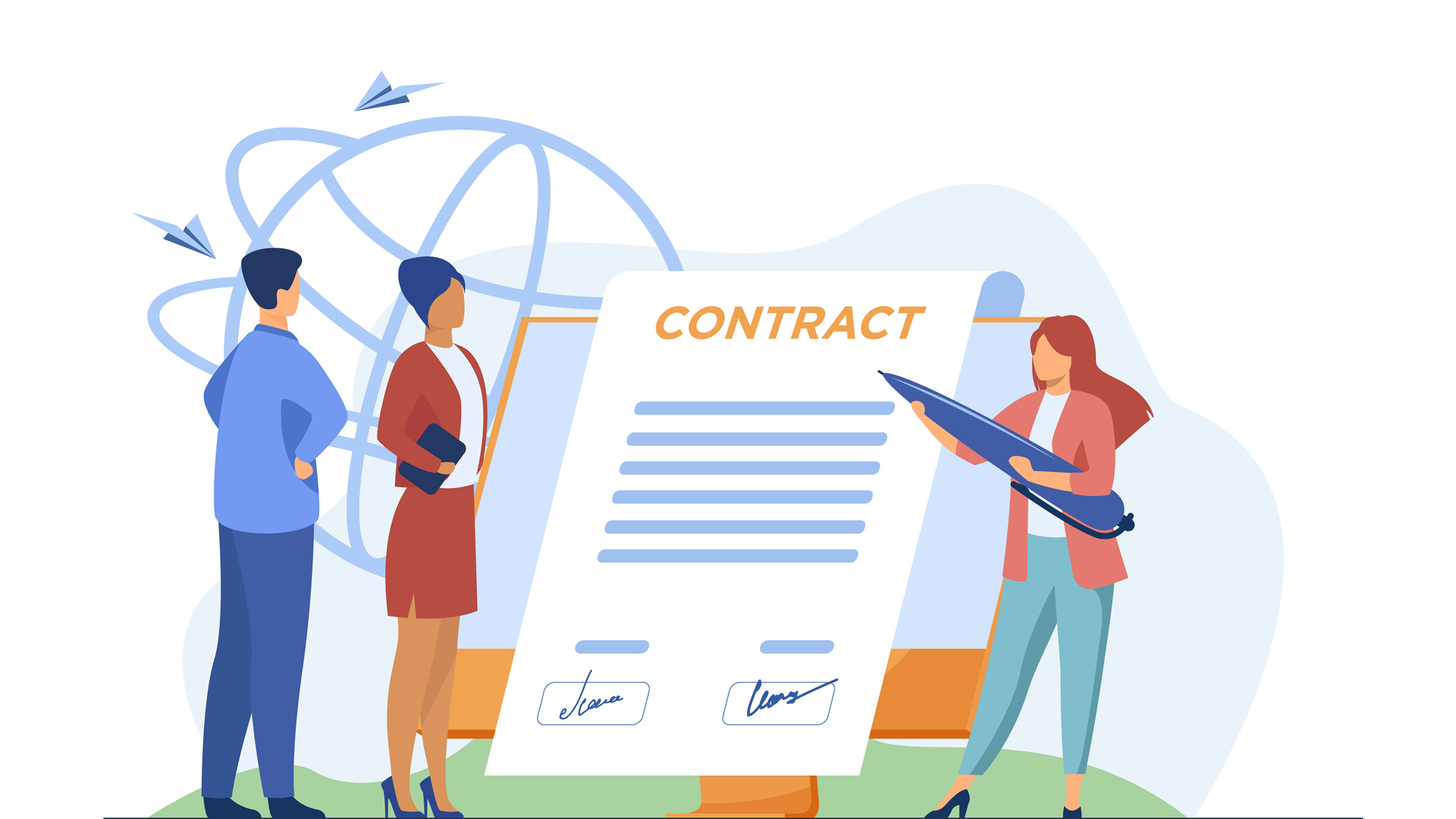
A Power PurchaseAgreement (PPA), which establishes the conditions under which the end user agrees to acquire renewable energy from the developer at a defined price, is a legally binding contract between a producer of renewable energy and an end user (typically a large electrical user). Since a Power Purchase Agreement (PPA) is a legally binding agreement that enables a renewable generator to assess the project’s profitability and risk and make an investment decision accordingly, it may be regarded of as the sale of a project and all of its natural resources.
What are PPA’s key advantages for consumers?
One of the key benefits of PPA is that the user obtains a steady supply of energy that can be linked to a specific asset. Through PPAs, additional value is produced because it is possible to invest in renewable assets because the amount of electricity produced from damaging sources is reduced. Customers are given access to electricity at reasonable prices thanks to significant price reductions on both current and upcoming prices. PPA enables product customization to meet particular user requirements.
What varieties of PPA are there?
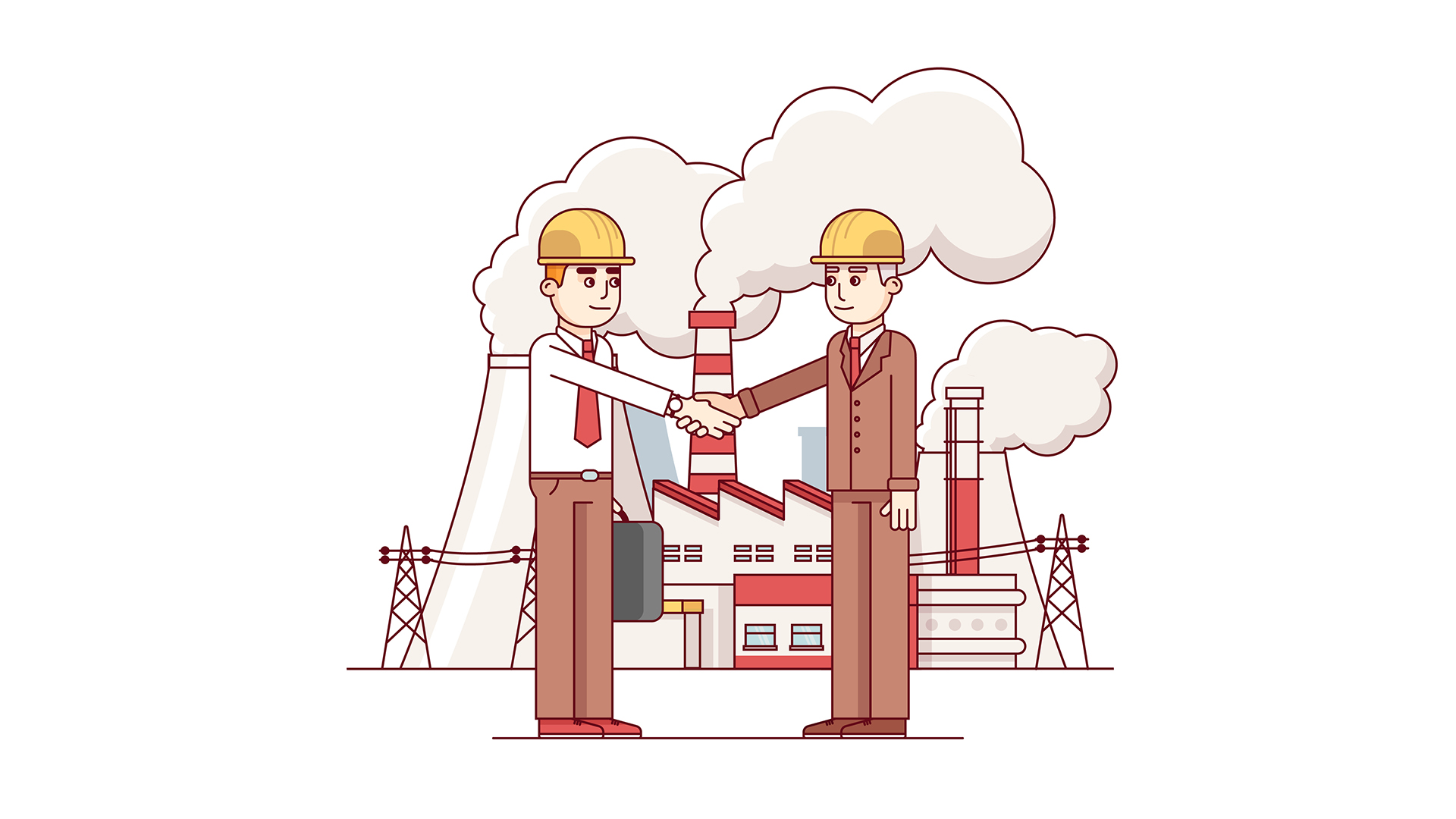
There are different kinds of PPA depending on the source of the power. An on-site power purchase agreement (PPA) is a contract to buy electricity from a temporary plant that has been set up on the customer’s property and is connected to the building’s electrical infrastructure. The project is financed by the renewable energy developer, who is also in charge of the plant’s construction, commissioning, operation, and maintenance. Thanks to the solar panels, the customer won’t require as much energy from the grid, so the developer may charge them less for the energy they generate on their own. In an Off-site PPA, two parties agree that the power produced at a plant will be purchased, transferred, or distributed via the national electrical grid.

Introduction
The Power Purchase Agreement Training Course from Training Bee looks at Power Purchase Agreements (PPAs) for both conventional and renewable energy projects, illustrating how quickly things change as technology develops and the gap between economic viability and cost-effectiveness narrows. PPAs for corporations and synthetic PPAs are also covered in this course. This course includes a thorough examination of the commercial and strategic aspects of power purchase agreements.
Since there is almost no longer a practical distinction between renewable and conventional technologies, the traditional structure of PPAs will need to be updated to reflect the changing environment. In-depth examination of the fundamental components of various power purchase agreements as well as risk assessment, allocation, and management are covered during the course. This interactive training course discusses the new models of PPA risk transfer, creates and administers high-performance markets, and promotes private investments in renewable energy through a series of real-world contract and trade examples.
We are The Training Bee, a global training and education firm providing services in many countries. We are specialized in capacity building and talent development solutions for individuals and organizations, with our highly customized programs and training sessions.

Learning Objectives
Upon completing Power Purchase Agreement (PPA), participants will be able to:
- To obtain knowledge of PPA terms and how to leverage them to both increase and secure project revenue.
- To comprehend the many PPA versions and how they are currently being used in various markets.
- To apply innovation to the settlement of disputes and claims.
- To draw attention to PPA as a crucial component of a project’s risk management plan.
- To comprehend the entire PPA process, from discussion to creation to implementation.
- To improve one’s negotiating abilities in order to maximize the advantages of a PPA.

Our Unique Training Methodology
This interactive course comprises the following training methods:
- Journaling – This consists of setting a timer and letting your thoughts flow, unedited and unscripted recording events, ideas, and thoughts over a while, related to the topic.
- Social learning – Information and expertise exchanged amongst peers via computer-based technologies and interactive conversations including Blogging, instant messaging, and forums for debate in groups.
- Project-based learning
- Mind mapping and brainstorming – A session will be carried out between participants to uncover unique ideas, thoughts, and opinions having a quality discussion.
- Interactive sessions – The course will use informative lectures to introduce key concepts and theories related to the topic.
- Presentations – Participants will be presented with multimedia tools such as videos and graphics to enhance learning. These will be delivered engagingly and interactively.

Training Medium
This Power Purchase Agreement (PPA) training is designed in a way that it can be delivered face-to-face and virtually.

Course Duration
This training is versatile in its delivery. The training can be delivered as a full-fledged 40-hour training program or a 15- hours crash course covering 5 hours of content each day over 3 days

Pre-course Assessment
Before you enroll in this course all we wanted to know is your exact mindset and your way of thinking.
For that, we have designed this questionnaire attached below.
- What exactly is a Power Purchase Agreement (PPA) and what are its primary goals in the energy industry?
- List the main components of a typical Power Purchase Agreement for renewable energy projects.
- What are the main obligations and roles of the parties to a power purchase contract? Describe the advantages of the agreement for each party.
- How can the use of renewable energy and sustainable development benefit from a power purchase agreement?
- Discuss the merits and drawbacks of the various forms of power purchase agreements, such as fixed-price PPAs, indexed PPAs, and virtual PPAs.
- Describe the significance of risk allocation and mitigation in a power purchase agreement, with special emphasis on market risks and force majeure occurrences.

Course Modules
This Power Purchase Agreement (PPA) covers the following topics for understanding the essentials of the Agile Workplace:
Module 1 – Introduction to Power Purchase Agreements and Their Key Features
- Participants in the Project – Description Introduction to the Power Industry and the PPA’s Role Contract, Permit, License, and Other Development Arrangements and Business Models
- Instructions from the Creator
Module 2 – Assignments in law
- Observing, verifying, and calculating.
- Buyer Responsibilities.
- Value and payment.
- Avoid making purchases during busy times.
- Decreased damage.
Module 3 – The significance of a PPA’s provisions
- The term being stretched.
- Ensures proficiency.
- The SPV’s duties in exploration and renovation.
- Licensed and Powerful Resources.
- Claims and Images.
Module 4 – Testing and commercial entities are launched.
- Walk rights for off-takers: reasons for violations and right to immediately cancel; exceptions for unforeseeable circumstances
- Responsibility and Compensation
- A shift in the law
Module 5 – Risk Evaluation
- Damages from Latency and Efficiency – Removed Achievement Bonds
- Overspending & Change Requests
- Threats from politics managed
- Risk Management for Foreign Exchange
- Requirements for Transportation
Module 6 – Industrial PPA aspects
- Taxation, Cost, and Quantity
- Monitoring
- Commitments
- Management of risk
Module 7 – Achieve the Best PPA through Negotiation
- Create an Agreement for Settlement
- Create a Bargaining Structure That Balances Buyers’ and Sellers’ Needs
- Concluding a Protracted Agreement
Module 8 – Mediation Instructions
- Discuss the key goals to be achieved and the effects of failing to do so.
- Consumer Guarantees ought to be bargained
Post-course Assessment
Participants need to complete an assessment post-course completion so our mentors will get to know their understanding of the course. A mentor will also have interrogative conversations with participants and provide valuable feedback.
- Describe the major elements of a power purchase agreement (PPA) and how they help renewable energy projects be implemented successfully.
- Compare and contrast various PPA models, including fixed-price PPAs, indexed PPAs, and virtual PPAs, highlighting the advantages and hazards of each.
- Talk about the role that power purchase agreements have in encouraging the use of renewable energy and how that affects the achievement of sustainable development goals.
- To ensure project stability and bankability, examine the risk allocation and mitigation mechanisms frequently used in Power Purchase Agreements.
- How are Power Purchase Agreement negotiations and drafting procedures different for utility-scale projects compared to smaller distribute generating projects?

Lessons Learned
Power Purchase Agreements are essential in fostering the growth of renewable energy projects and facilitating the use of renewable energy. They give producers of renewable energy a steady and predictable source of income, attracting additional investment in clean energy.
Contractual arrangements can be modified by the parties in accordance with their unique demands and risk tolerances thanks to the flexibility provided by PPAs. Stakeholders can find a balance between the distribution of risk and financial gains thanks to this adaptability.
Effective risk management measures are necessary for PPAs to be successful. In order to guarantee the long-term profitability of renewable energy projects, risks including market fluctuations, force majeure situations, and legislative changes must be appropriately allocated and mitigated.
“PPAs Leading the Charge in Sustainable Partnerships, Empowering the World”