
Instrumentation Bootcamp For Oil & Gas Industry
 Download Brochure
Course overview
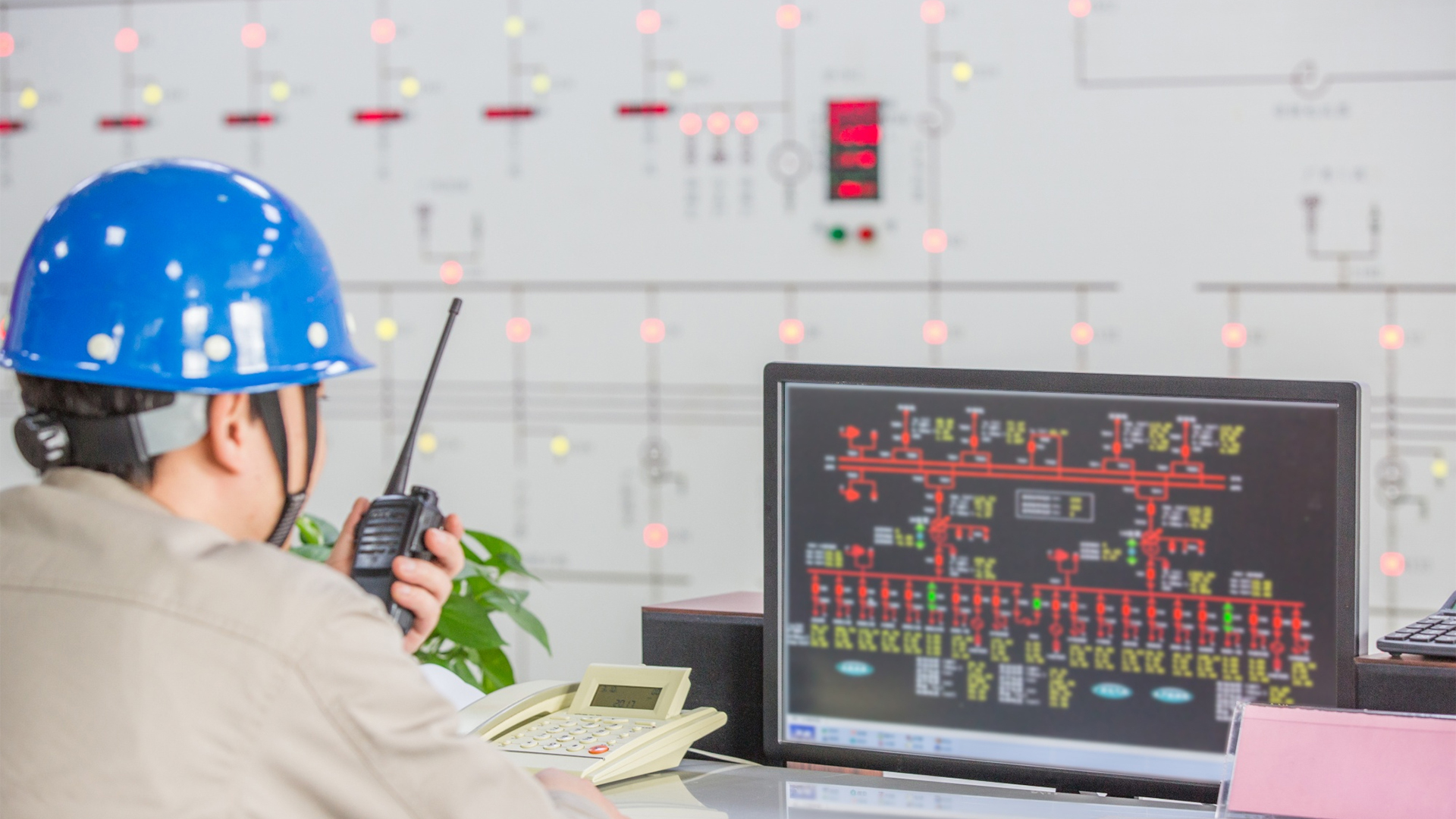
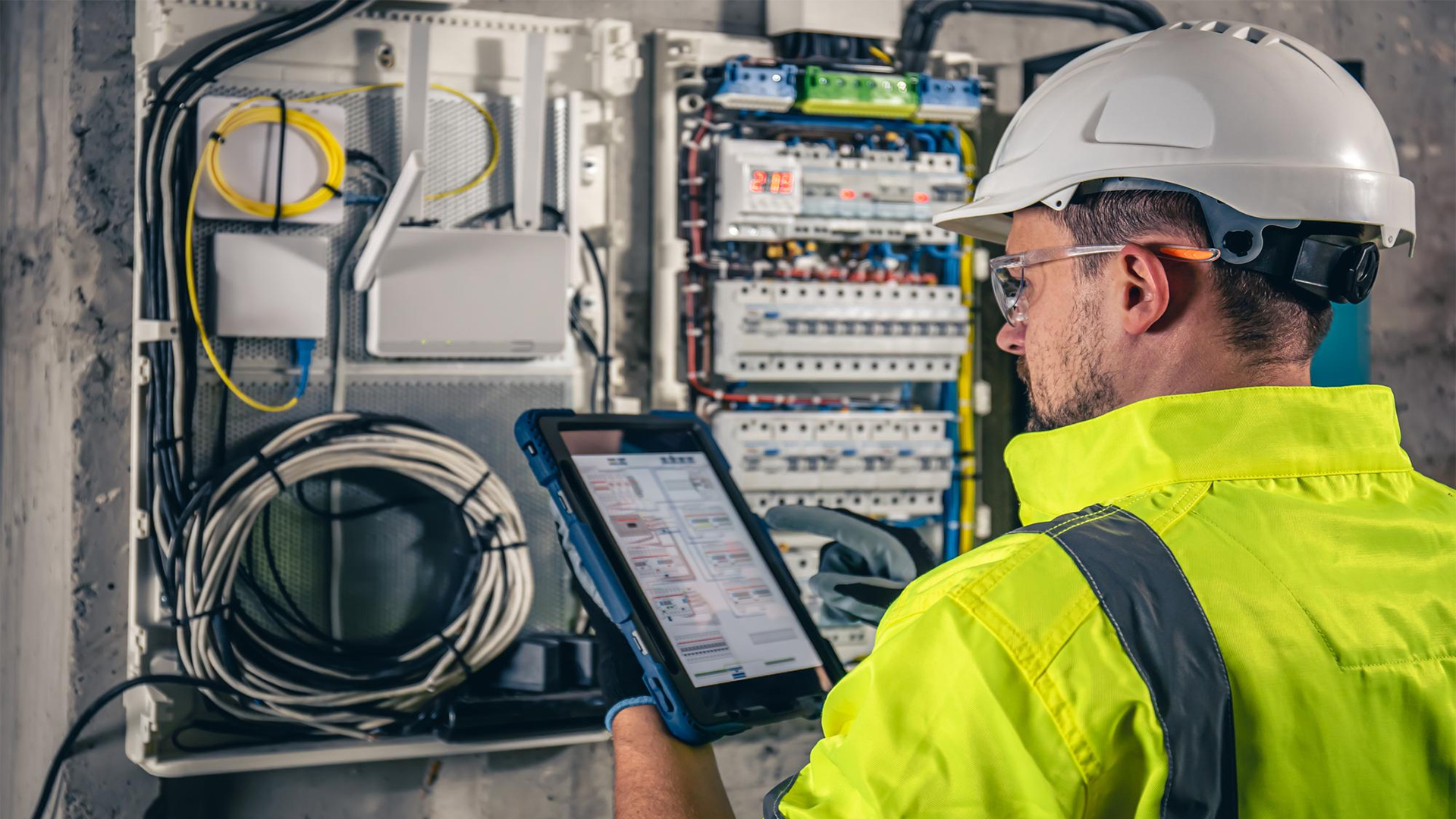
What is an instrumentation engineer’s function in the oil and gas sector? Industrial instrumentation is employed in processing facilities, petrochemical plants, oil refineries, oil and gas pipelines, and distribution operations to measure, control, and inspects conditions such as temperature, pressure, and fluid levels.
Monitoring the incidence and presence of flammable and combustible gases in storage and production regions, as well as overseeing emissions for pollution management, are typical and popular applications of oil and gas instrumentation. Additionally, flow in delivery systems is monitored and controlled via instrumentation.
Numerous dangerous and risky compounds that might result in explosions or other catastrophic occurrences and harm both human and environmental safety are processed by the oil and gas sectors. Monitoring and control provided by field instrumentation are crucial for assuring compliance with safety and environmental laws.
Petrochemical processing equipment can help firms enhance productivity and product consistency by providing data on the effectiveness of their processes and the caliber of their finished goods when incorporated with automated systems.
Process variables including pressure, temperature, level, and flow are related with production processes in the oil and gas sector. Plants can measure and regulate these factors in real-time thanks to process instrumentation, which helps them run their processes efficiently and achieve quality, safety, and environmental goals.
Despite the fact that the availability of a vast array of sophisticated instruments has improved product quality, numerous problems continue to exist. Instrument engineers frequently feel overwhelmed when selecting a certain technology for a given application because every device has its own scope and range of measurement accuracy, precision, sensitivity, and cost. Making the wrong decision could result in recurrent instrument failures and malfunctions.
The three main elements of industrial instrumentation—sensors, transducers, and transmitters—are the focus of this course from Training Bee, which is intended to provide participants with useful, current information. The basic traits, elements, and purposes of the key instrument types used in the oil and gas sector are explained in this Training Bee training course.

Introduction
The complex science of measurement and control meets the exciting world of energy exploration and production in the Instrumentation Course for the Oil and Gas Industry. This thorough course serves as your entry point to studying the art and science of instrumentation within the context of oil and gas operations in a sector driven by accuracy, safety, and efficiency.
Instrumentation, the foundation of contemporary industrial processes, is essential to guaranteeing the smooth, dependable, and environmentally responsible operation of oil and gas facilities. Every vital operation depends on the precise data and real-time insights given by instrumentation systems, whether it’s managing flow rates in a pipeline or monitoring temperature changes in a refinery column.
Participants will go through the complex environment of sensors, transmitters, controllers, and data transfer protocols during this immersive tour. Through practical exercises and simulations, you will develop your practical skills while learning theoretical concepts such as process control principles and the intricate workings of safety systems.
We are The Training Bee, a global training and education firm providing services in many countries. We are specialized in capacity building and talent development solutions for individuals and organizations, with our highly customized programs and training sessions.
Prepare to set off on this illuminating journey into the instrumentation world of the oil and gas sector. Be prepared for a blend of theoretical knowledge, real-world insights, and practical experience that will give you the skills you need to succeed in a fast-paced industry that is constantly changing. Here is where your path to becoming an expert and assured instrumentation professional in the oil and gas sector begins.

Learning Objectives
Upon completing Instrumentation Course for Oil and Gas Industry, participants will be able to:
- field measurement
- the ability to use field instruments and an understanding of their significance
- instruments for measuring pressure
- measurement of temperature
- Measurement of flow
- level assessment

Our Unique Training Methodology
This interactive course comprises the following training methods:
- Journaling – This consists of setting a timer and letting your thoughts flow, unedited and unscripted recording events, ideas, and thoughts over a while, related to the topic.
- Social learning – Information and expertise exchanged amongst peers via computer-based technologies and interactive conversations including Blogging, instant messaging, and forums for debate in groups.
- Project-based learning
- Mind mapping and brainstorming – A session will be carried out between participants to uncover unique ideas, thoughts, and opinions having a quality discussion.
- Interactive sessions – The course will use informative lectures to introduce key concepts and theories related to the topic.
- Presentations – Participants will be presented with multimedia tools such as videos and graphics to enhance learning. These will be delivered engagingly and interactively.

Training Medium
This Instrumentation Course for Oil and Gas Industry training is designed in a way that it can be delivered face-to-face and virtually.

Course Duration
This training is versatile in its delivery. The training can be delivered as a full-fledged 40-hour training program or a 15- hours crash course covering 5 hours of content each day over 3 days

Pre-course Assessment
Before you enroll in this course all we wanted to know is your exact mindset and your way of thinking.
For that, we have designed this questionnaire attached below.
- Give an explanation of the word “instrumentation” with reference to the oil and gas sector. What role does instrumentation play in the secure and effective running of facilities?
- Describe the importance of precise measurement and control in the oil and gas industry. Give some instances of vital metrics that demand exact instrumentation.
- Describe the primary transmitter and sensor types found in oil and gas installations. How do these gadgets gather and send data in order to monitor and control things?
- Talk about the significance of safety measures in the oil and gas sector. How does instrumentation contribute to the protection of people and property?
- Explain the fundamental elements of a distributed control system and how it functions to manage different activities at an oil and gas complex.

Course Modules
This Instrumentation Course for Oil and Gas Industry covers the following topics for understanding the essentials of the Agile Workplace:
Module 1 – MEASUREMENTS PRINCIPLES
- Loop of Measurement and Control
- Assessing Signals
- Transmission Lines
- Calibration of Transmitters
- Modern SMART Transmitter Features
- Signal Transmission Line Symbols
Module 2 – MEASUREMENT OF PRESSURE
- Pressure measurement techniques.
- Pressure Transmitter using Pneumatics.
- Sensor Properties.
- Sensor of the piezoelectric kind.
- Sensor of the capacitance kind.
- Common Uses for Smart Pressure Transmitters.
Module 3 – MEASUREMENT OF LEVEL
- Overview of Level Measurement
- Level Method Selection
- Techniques for Measuring Level
- Direct Techniques for Measuring Level.
- Tapes for manual gauging.
Module 4 – MEASUREMENT OF TEMPERATURE
- Measurement of Temperature: An Introduction
- Temperature: An explanation
- Expansion Techniques for Temperature Measurement Techniques for Measuring Temperature
- Electrical Techniques for Measuring Temperature
- Thermocouples, Thermistors, Thermal Wells, Four-Wire Resistance Measurement, and Resistance Temperature Detectors
Module 5 – MEASUREMENT OF FLOW
- Overview of Flow Measurement
- Techniques for Measuring Flow
- Meters for inferential flow
- A orifice meter
- Ventricular meters
- The Pitot Tube
- Area-Variable Flow meters
- Metallic Flow meters
Post-course Assessment
Participants need to complete an assessment post-course completion so our mentors will get to know their understanding of the course. A mentor will also have interrogative conversations with participants and provide valuable feedback.
- Describe how instrumentation helps the oil and gas industry maintain safety and legal compliance. Give particular instances of the ways in which instrumentation systems help to reduce hazards.
- Identify the key differences between a safety instrumented system (SIS) and a process control loop. How do these two systems interact to guarantee reliable and effective operation?
- Discuss the benefits and drawbacks of deploying wireless instrumentation in a facility’s remote or dangerous sections. How might wireless technology improve oversight and management?
- Put yourself in the position of debugging an oil refinery’s pressure control loop. Give a brief description of the procedures you would take to locate and resolve a pressure deviation problem.

Lessons Learned
Participants have developed a comprehensive understanding of how instrumentation serves as the foundation of the oil and gas sector. They now understand the importance of careful measurement, control, and monitoring of many parameters for activities that are both environmentally friendly and safe.
Safety is paramount the course has emphasized the absolute necessity of safety in the oil and gas industry. The participants now recognize the critical role that well-designed and well-maintained instrumentation systems play in averting mishaps, safeguarding employees, and guaranteeing adherence to strict safety rules.
Participants have an understanding of how various instrumentation devices, systems, and protocols work together to provide a smooth operational environment. Integration for Efficiency. They are aware that effective integration improves decision-making overall as well as efficiency and data accuracy.
“Oil and Gas Instrumentation Leaders: Powered by Knowledge and Innovation”