Asset Power: Unlocking The Potential Of Your Gas & Oil Assets
 Download Brochure
Course overview
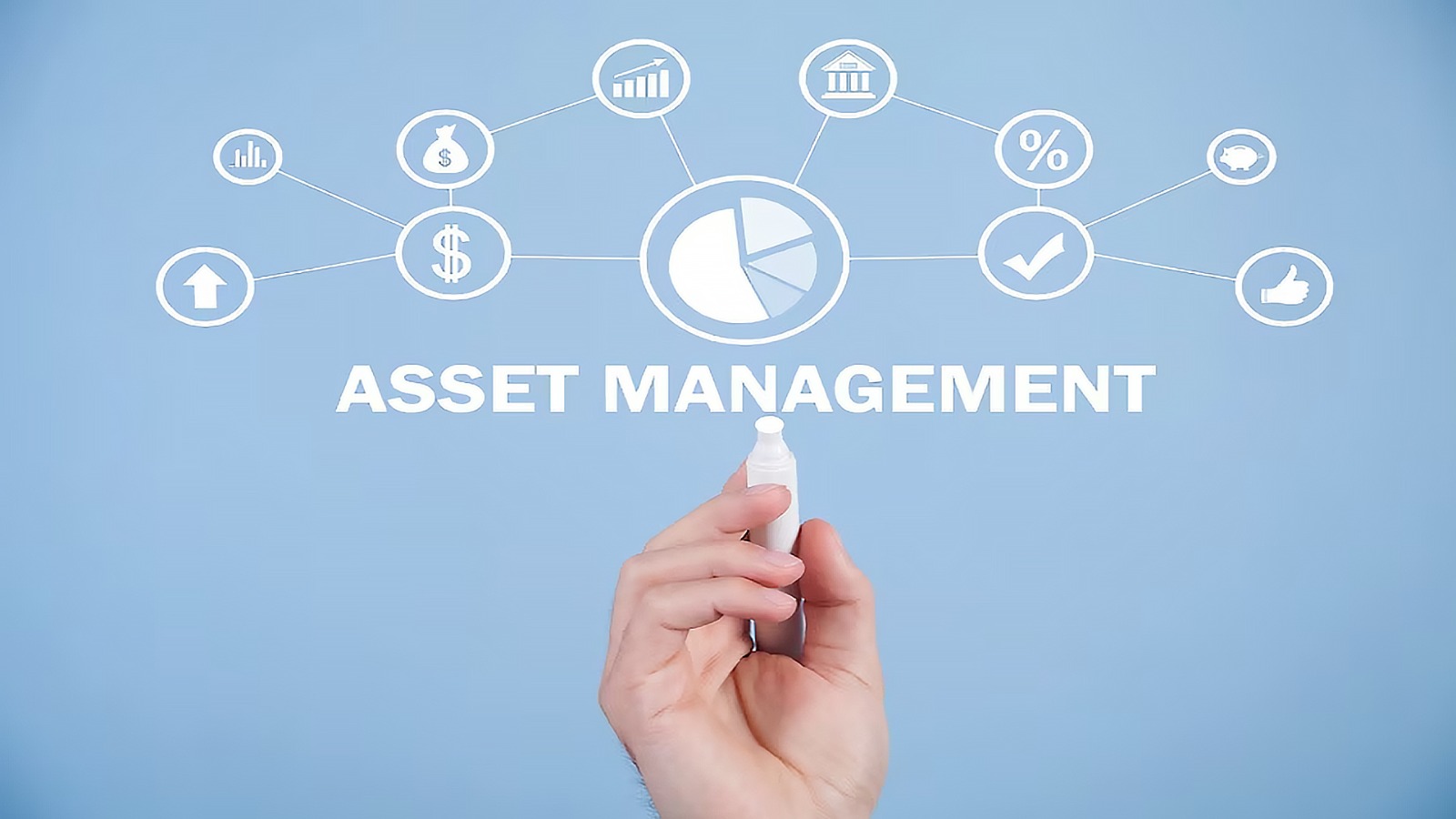
The Asset Integration Management for Gas & Oil Industry course is pleased to have you. This extensive program is created to provide you the information and abilities you need to thrive in asset management and optimization along the whole gas and oil value chain. This course will offer helpful insights into integrating assets to improve efficiency, reduce risks, and promote success in the changing world of gas and oil, regardless of your level of experience.
The complexity, diversity of assets, and ever-changing difficulties of the gas and oil business are its defining characteristics. Organizations must streamline their processes and come up with novel solutions to seamlessly integrate assets as the demand for energy rises. In order to accomplish these aims, Asset Integration Management is essential since it makes sure that every link in the value chain cooperates with one another.
We will examine numerous approaches and best practices to successfully integrate assets at every stage of the gas and oil lifecycle as we delve into the core concepts of asset management in this course. We’ll look at the newest tools and data-driven strategies that let you decide wisely and improve asset performance. We will also stress the significance of risk analysis, regulatory compliance, and environmental and social factors in asset management methods.

Introduction
The course is designed to provide you a thorough grasp of the various aspects of asset integration, and it includes real-world case studies and industry insights to help you put the knowledge you learn in class to use. You will get the chance to strengthen your teamwork and communication skills, learn crisis management strategies, and promote an innovative and constant improvement culture in asset integration procedures.
Participants will be guided through the course modules by our knowledgeable instructors, who will make sure you have the knowledge and self-assurance necessary to succeed in asset integration management within the gas and oil sector. By the time the program is over, you’ll be ready to take on the industry’s difficulties and successfully contribute to the success of your company.
We are The Training Bee, a global training and education firm providing services in many countries. We are specialized in capacity building and talent development solutions for individuals and organizations, with our highly customized programs and training sessions.

Learning Objectives
Upon completing Asset Power: Unlocking the Potential of Your Gas & Oil Assets, participants will be able to:
- Learn asset integration techniques to improve operations in the gas and oil sectors.
- Apply data-driven strategies to manage assets effectively in the gas and oil industry.
- Recognize regulatory compliance and risk assessment in the integration of gas and oil assets.
- Learn reliability engineering and maintenance techniques to improve the performance of your assets.
- Make use of cutting-edge technologies to maximize the use of gas and oil assets.
- Encourage the integration of assets in a sustainable manner that takes into account environmental and social factors.
- In order to succeed in managing gas and oil assets, analyze real-world case studies and best practices.
- Create crisis management strategies for gas and oil industry emergencies.

Our Unique Training Methodology
This interactive course comprises the following training methods:
- Journaling – This consists of setting a timer and letting your thoughts flow, unedited and unscripted recording events, ideas, and thoughts over a while, related to the topic.
- Social learning – Information and expertise exchanged amongst peers via computer-based technologies and interactive conversations including Blogging, instant messaging, and forums for debate in groups.
- Project-based learning
- Mind mapping and brainstorming – A session will be carried out between participants to uncover unique ideas, thoughts, and opinions having a quality discussion.
- Interactive sessions – The course will use informative lectures to introduce key concepts and theories related to the topic.
- Presentations – Participants will be presented with multimedia tools such as videos and graphics to enhance learning. These will be delivered engagingly and interactively.

Training Medium
This Asset Power: Unlocking The Potential of Your Gas & Oil Assets training is designed in a way that it can be delivered face-to-face and virtually.

Course Duration
This training is versatile in its delivery. The training can be delivered as a full-fledged 40-hour training program or a 15- hours crash course covering 5 hours of content each day over 3 days

Pre-course Assessment
Before you enroll in this course all we wanted to know is your exact mindset and your way of thinking.
For that, we have designed this questionnaire attached below.
- Why is Asset Integration Management (AIM) important for the gas and oil industry?
- List the three most important aspects of asset integration management and briefly explain how they affect asset performance.
- What impact does AIM have on risk management in the gas and oil sector? Give one instance of a danger that AIM can assist to reduce.
- In the context of the gas and oil industry, clarify the distinction between asset planning and asset optimization.
- How can AIM advance social responsibility in oil and gas operations and improve the environment? Give at least two detailed approaches.
- Describe the difficulties in efficiently integrating two types of assets that are frequently seen in the gas and oil sector.

Course Modules
This Asset Power: Unlocking The Potential of Your Gas & Oil Assets covers the following topics for understanding the essentials of the Agile Workplace:
Module 1 – Asset Integration Management Overview
- Recognizing the AIM idea.
- AIM’s significance in the gas and oil sector.
- Goals and advantages of deploying AIM.
Module 2 – Principles of Gas and Oil Assets
- The various asset classes used in the gas and oil industries, such as wells, pipelines, refineries, and storage facilities.
- Exploration, development, production, and decommissioning are the stages of an asset’s lifecycle.
- Specific asset characteristics, difficulties, and factors for the gas and oil industry.
Module 3 – Asset Integration Management Fundamentals
- Specifying AIM goals, such as those for operational effectiveness, safety, and regulatory compliance.
- AIM’s role in promoting collaboration across many departments and stakeholders.
- Locating and controlling the points of integration between diverse assets and processes.
Module 4 – Planning and strategy for assets
- Locating and evaluating resources
- Planning strategically over the long run to build assets
- Matching asset planning to business objectives
Module 5 – Design and construction of assets
- Design and engineering aspects for gas and oil assets
- Methods for commissioning and construction
- Environmental and safety considerations in asset development
Module 6 – Asset Management and Upkeep
- The significance of ongoing asset surveillance
- Condition-based monitoring and predictive maintenance
- Best practices for inspection and maintenance of assets
Module 7 – Decision-Making and Data Analytics
- Making use of data analytics in AIM
- Making educated decisions with data
- Case examples of effective asset management using data
Module 8 – Risk control in AIM
- Identifying and evaluating hazards in the gas and oil sector.
- Strategies for risk reduction and emergency preparation.
- The importance of regulatory compliance in risk management.
Module 9 – Environmental factors as well as regulatory compliance
- Recognizing the regulations’ criteria and requirements for the gas and oil sector.
- Reducing negative effects on the environment with AIM.
- Monitoring, reporting, and documentation of compliance.
Module 10 – Information systems integration
- The significance of communication and data integration
- Putting collaborative tools into practice for efficient asset management
- Combining information systems to ensure smooth operations
Module 11 – Asset Integration Management Technology and Tools
- AIM software and tools are introduced (for example, GIS, enterprise asset management systems, and predictive analytics).
- Utilizing digital twins for simulation and asset modeling.
- Practical training utilizing the AIM program.
Module 12 – Social responsibility and environmental sustainability
- Utilizing sustainable practices for managing assets
- Interacting with stakeholders and communities
- The gas and oil industry’s commitment to CSR
Module 13 – Future Innovations and Trends
- AIM is impacted by emerging technologies, including as block chain, AI, and machine learning.
- Improving asset lifecycles and predictive maintenance.
- modifying AIM tactics to take into account market movements and shifts
Module 14 – Case studies and recommended methods
- Instances of successful AIM deployments in the oil and gas sector in real-world settings.
- Lessons from prior difficulties and failures.
- Effective AIM best practices, such as change management and continuous development.
Post-course Assessment
Participants need to complete an assessment post-course completion so our mentors will get to know their understanding of the course. A mentor will also have interrogative conversations with participants and provide valuable feedback.
- Define Asset Integration Management (AIM) and briefly discuss its importance in gas and oil sector operations optimization.
- List and explain at least four major components of asset integration management, along with how each one improves the effectiveness and performance of the assets.
- What part does AIM play in reducing environmental and operational risks in the gas and oil sector? Give particular instances of risk scenarios and the associated AIM plans.
- In the context of the gas and oil sector, compare and contrast asset planning and asset optimization methodologies. Give specific instances when each tactic might be most effective.
- What role does data analytics play in asset integration management? How can data-driven decision-making improve the efficiency of operations and the performance of assets?

Lessons Learned
AIM is a strategic strategy that ties all facets of asset planning, design, operation, and retirement to the company’s overarching goals rather than merely being an operational function. It guarantees that assets are fully leveraged and contributes to the long-term profitability of the business.
AIM enables businesses to use data-driven insights, predictive maintenance, and continuous monitoring to optimize asset performance. Companies may increase production levels and save operating costs by locating and eliminating inefficiencies and bottlenecks.
AIM enables businesses to proactively detect and address risks related to the gas and oil sector, such as safety dangers, environmental problems, and regulatory compliance. By concentrating on risk management, employees and the environment are protected.
“AIM: Boosting Efficiency and Energizing Growth in the Gas and Oil Sector.”