Import Export Procedures & Documentation
 Download Brochure
Course overview
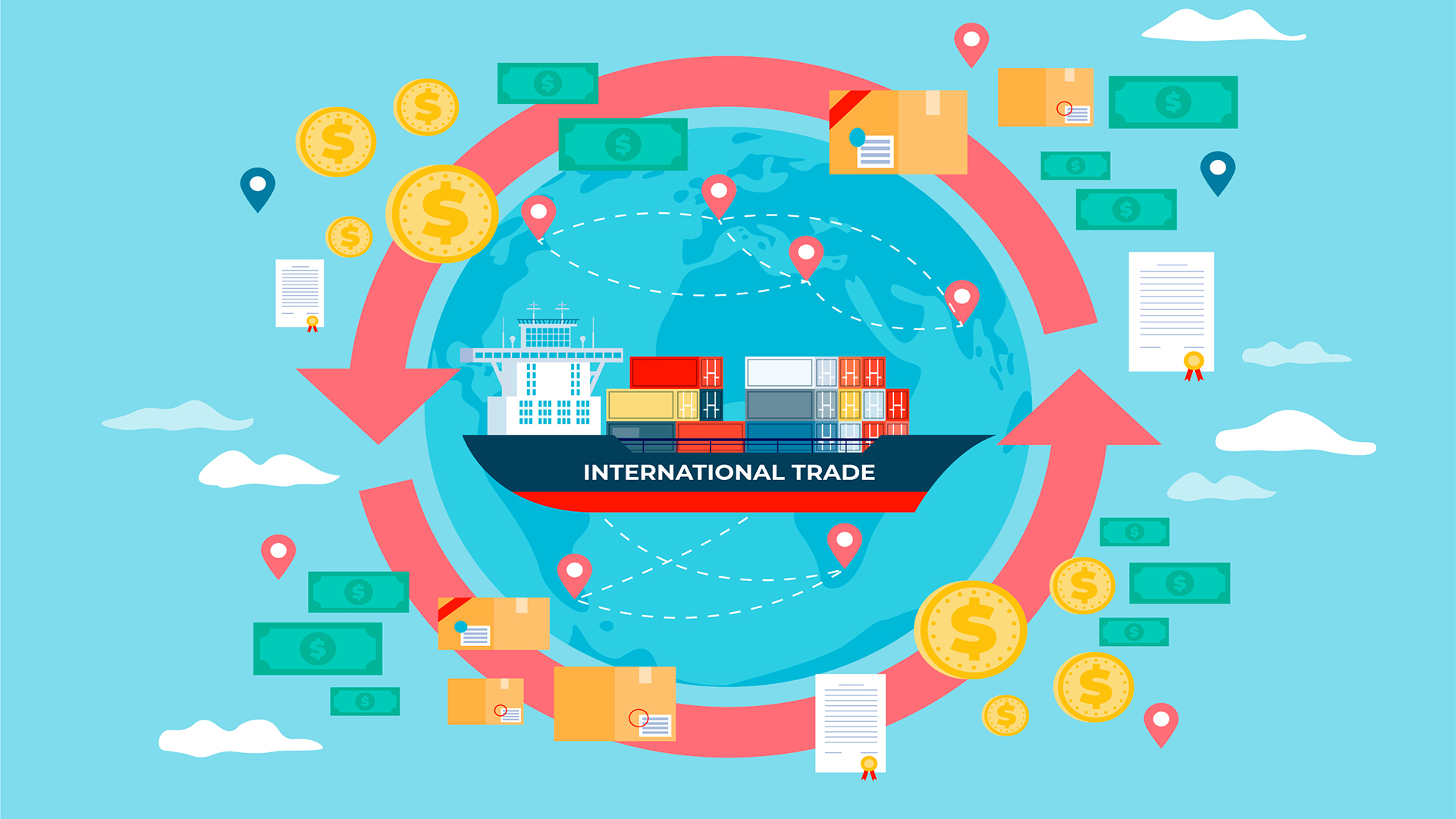
Every country’s economy has benefited greatly from international trade, which is carried out by a large number of businesses. Nevertheless, the rate of growth in this trade has accelerated, making sourcing and importing increasingly important. As a result, many businesses have discovered that they lack the necessary skills and knowledge.
The fundamentals of trade, import and export freight management, and documentation will all be covered in this course. It will assist you in organizing your strategy to enhance your business’s foreign trade operations via the use of analytical approaches.
Participants will learn about correct import and export procedures and documentation—a crucial component of global trade—with the aid of this Training Bee training course. It will provide you the ability to comprehend how, as importers or exporters, you must abide by the laws and regulations as well as the trade customs of all these organizations in the nation in which you conduct business. Depending on the incoterms and other terms and conditions included in the sale contract, you can run into the host nation’s legal system.

Introduction
Greetings and welcome to the “Import-Export Procedures and Documentation” training course! Businesses looking to grow and improve their operations must be able to handle the challenges of international trade in today’s interconnected global economy. With the help of this extensive course, you will gain the knowledge and abilities required to handle import-export procedures and become an expert in the nuances of documentation.
To succeed in this course, you must be willing to apply the principles you have studied, think critically, and actively participate in the process. To optimize your learning outcomes, we invite you to actively participate with the material, ask questions, and share your experiences.
We are excited to equip you with the knowledge and abilities required to successfully negotiate the complexity of import-export procedures and documentation as we begin this educational adventure together.
We are The Training Bee, a global training and education firm providing services in many countries. We are specialized in capacity building and talent development solutions for individuals and organizations, with our highly customized programs and training sessions.

Learning Objectives
Upon completing Import Export Procedures and Documentation Training, participants will be able to:
- Thorough familiarity with shipping documentation, import/export processes, and
- It will emphasize how crucial proper export documents and protocol are.
- Describe the theoretical and practical facets of the newest and most efficient import/export procedures.
- Recognizing the standard framework for import/export transactions
- Familiarity with the export transaction process and all standard export paperwork
- Recognize best practices and international legalization.
- Perception and influence on regional legislation overseeing international trade documentation and protocols

Our Unique Training Methodology
This interactive course comprises the following training methods:
- Journaling – This consists of setting a timer and letting your thoughts flow, unedited and unscripted recording events, ideas, and thoughts over a while, related to the topic.
- Social learning – Information and expertise exchanged amongst peers via computer-based technologies and interactive conversations including Blogging, instant messaging, and forums for debate in groups.
- Project-based learning
- Mind mapping and brainstorming – A session will be carried out between participants to uncover unique ideas, thoughts, and opinions having a quality discussion.
- Interactive sessions – The course will use informative lectures to introduce key concepts and theories related to the topic.
- Presentations – Participants will be presented with multimedia tools such as videos and graphics to enhance learning. These will be delivered engagingly and interactively.

Training Medium
This Import Export Procedures and Documentation Training is designed in a way that it can be delivered face-to-face and virtually.

Course Duration
This training is versatile in its delivery. The training can be delivered as a full-fledged 40-hour training program or a 15- hours crash course covering 5 hours of content each day over 3 days

Pre-course Assessment
Before you enroll in this course all we wanted to know is your exact mindset and your way of thinking.
For that, we have designed this questionnaire attached below.
- Enumerate the three key documents that are needed for import and export transactions. Give a brief explanation of each document’s goal.
- Describe Incoterms and the ways in which they affect transactions involving international trade. Give an example of an Incoterm and explain how it affects shipping and accountability.
- What part do customs officials play in the import and export process? In what ways do customs procedures aid in the facilitation of trade?
- Explain trade obstacles and tariffs. Talk about the possible effects these variables may have on the price and effectiveness of global trade.
- Enumerate and briefly describe the two most popular payment options for international trading. In what ways do these techniques reduce the risks for both suppliers and buyers?
- Describe the significance of making sure import-export paperwork conforms with all applicable laws and regulations. What possible repercussions might non-compliance have?

Course Modules
This Import Export Procedures and Documentation Training covers the following topics for understanding the essentials of the Agile Workplace:
Module 1 – Procedure for Import and Export
- Operations for Transport and Freight
- Important Elements and Mode Properties
- Costing and computation of freight and operations
- Models for Transport Planning
- Service provider characteristics and occurrence
- Chartering Liners and shared/network services
Module 2 – Worldwide Commerce
- Features of International Trade
- Why is international trade important?
- Supply and Demand Factors
- International Trade Terms for Sale and Delivery
- Incoterms and how they affect export and import
- A Summary of Payment, Insurance, and Documentation
Module 3 – Documents for International Shipping
- The value of documentation and how to use it appropriately
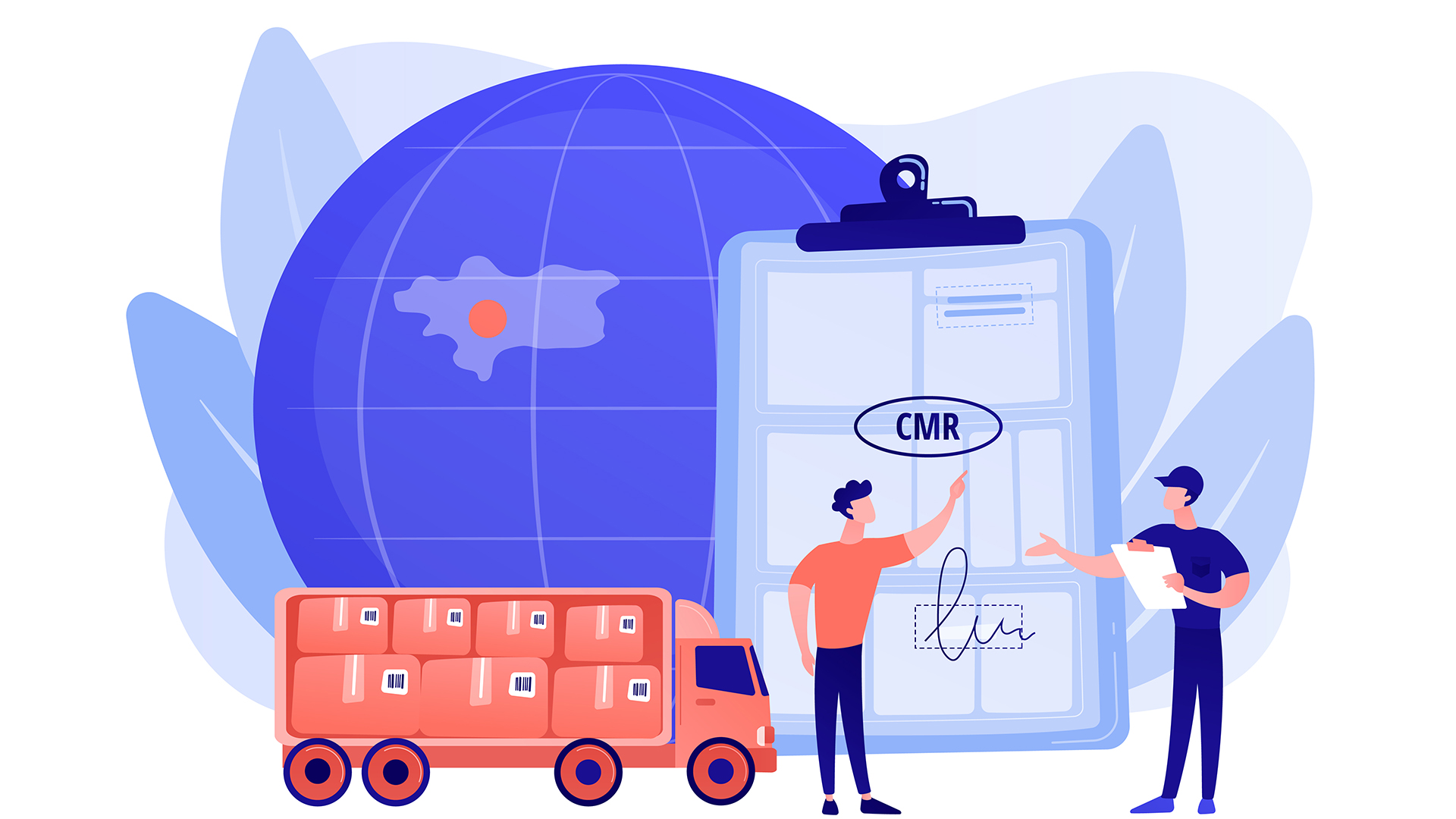
- Examine and comprehend the B/L, AWB, and CMR implications.
- List of contents and invoice
- Applications and Uses of the Certificate of Origin
Module 4 – How Can Correct Documentation Be Assured?
- The Bill of Lading, or B/L
- Exchange Bill (BOE)
- Various Invoice Formats: Proforma, Consular, Commercial, and Customs
- Examine the insurance certificate or policy.
- Mate Receipt and Bill of Lading Difference
- Certificate of Origin for the Generalized System of Preferences (GSP)
Module 5 – Policy for Cargo Insurance
- Cargo Insurance: answer the important query.
- Review the insurance policy modifications.
- Policy for marine insurance: Cargo Clauses
- Claim procedures and exclusion clauses
- Claims – Recording
Module 6 – Comprehending the Credit Letter
- Different kinds of credit letters
- Applications for DA and DP
- Payment Options for International Trade
- Go over each L/C operation step by step.
Module 7 – Clearance of Customs in the Import/Export Procedure
- The laws and policies of the nation that is importing or exporting
- Kind and category of products imported and exported
- Agreements on imports and exports between the trading nations
- Imports: Declaration and Clearance
- Custom Clearance: A Summary of the Procedures
Module 8 – Export Administration: How Do I Export?
- Form your organization lawfully
- Examine the markets you must export to.
- Obtaining an Import Export Code (IEC)
- Risk Evaluation
Post-course Assessment
Participants need to complete an assessment post-course completion so our mentors will get to know their understanding of the course. A mentor will also have interrogative conversations with participants and provide valuable feedback.
- Give an example of a situation in which you were able to reduce a risk in an international commercial deal.
- Talk about a scenario in which tariffs or trade restrictions caused problems for a business transacting internationally.
- Give an instance of how an effective payment method was implemented in a global trade agreement.
- Think back to a time when import-export paperwork presented difficulties for you.
- Talk about the significance of abiding by export permits and regulations in a particular export situation.
- Tell about a time when the logistics of an international commerce transaction were improved by the involvement of a freight forwarder.
- Describe a situation in which controlling currency exchange rates was essential to a successful international trade agreement.

Lessons Learned
Accuracy in the Record: Recognize how crucial accuracy and precision are to import-export documents. Because even small mistakes can have serious repercussions, it is imperative that every aspect is carefully considered.
Handling Regulatory Difficulties: Acknowledge that because of the various rules and compliance needs, the international trading environment is intrinsically complicated. For operations to run smoothly, strategies for navigating and adhering to these requirements must be developed.
Usage of Incoterms Strategically: Recognize the strategic importance of Incoterms in outlining obligations and expenses for trade transactions worldwide. The unique requirements and goals of the parties concerned must be carefully taken into account when selecting the appropriate Incoterm.
Efficient Customs Clearance: Recognize that a successful trading strategy is mostly dependent on effective customs clearance. Streamlining customs processes with the right paperwork and adherence helps ensure that products are moved on time.
Taking a Proactive Approach to Risk Management: Acquire an understanding of risk management as a proactive strategy for predicting and reducing possible obstacles in import-export transactions. Creating ways to reduce risk guarantees resiliency in the face of uncertainty.
Ability to Adjust to Trade Barriers: Accept that tariffs and trade restrictions are unavoidable obstacles to global trade. To be competitive, one must be able to adjust and put tactics in place to get over these obstacles.