Crisis Management For PR Professionals
 Download Brochure
Course overview
An organization uses crisis management as a process to address an emergency or an unforeseen, disruptive incident. After several organizations experienced significant industrial and environmental disasters, crisis management became more crucial. Crises provide a sudden threat to an organization and necessitate prompt action with little time for decision-making.
When it comes to handling and managing threats immediately before, during, and after an occurrence, crisis management differs greatly from risk management. Risk management entails the study and prediction of risks as well as the decision of next steps to prevent the occurrence. It takes particular abilities and methods to recognize, evaluate, comprehend, and handle a dangerous problem.
Organizational needs linked to processes and roles and duties, as well as clear, situation-based management systems, are all part of crisis management. It includes techniques for handling crises as they are perceived and actually occur, as well as metrics for identifying crises and deciding how to communicate during the crisis’ response phase.
Incident management is another name for crisis management. Although reputation is an ethereal idea, it can boost a company’s value and give it a long-term competitive edge.
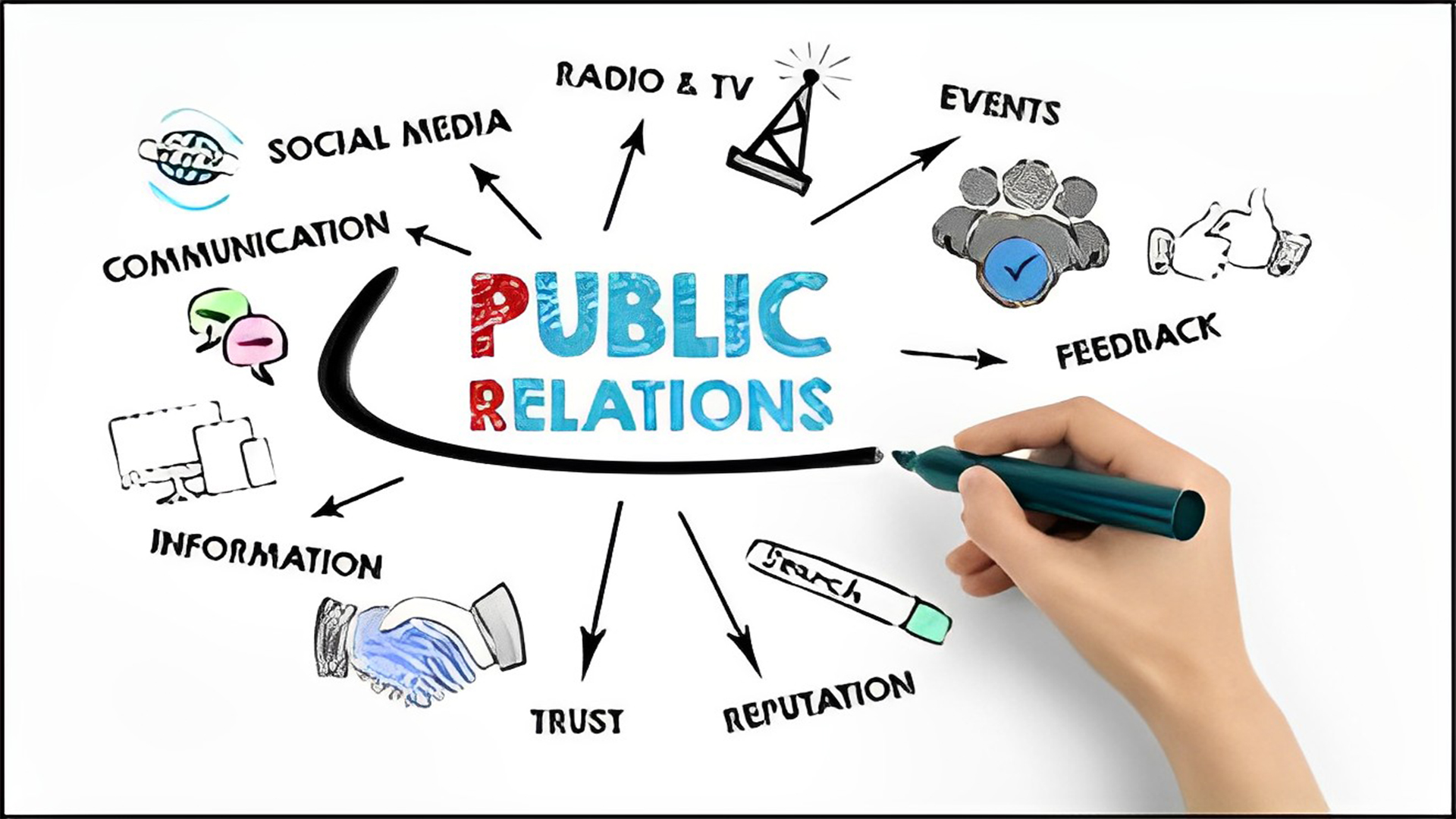
Reputation management refers to the actions and procedures used to control how the public perceives a company or brand. Online reputation management involves controlling mentions of the company on social media and using strategically constructed search terms.
Social media analytics and similar techniques are useful for gauging the public’s view of an organization at the moment. Public relations campaigns can be used to make good opinions more visible or bad opinions less visible.
Since it is beneficial and useful to understand the thoughts and opinions of both internal and external stakeholders, reputation management is crucial.

Introduction
The process through which an organization oversees its policies and recognizes possible issues, problems, or trends that may have an impact on its future is known as issues management. All things considered, the three ideas mentioned above are crucial for the expansion and improvement of organizations.
With the help of this Training Bee training course, you will gain comprehensive knowledge and insight on Crisis Management in Public Relations. With the knowledge you’ll get from this course, you’ll be able to handle crises at your company more skillfully and lessen the potential harm they could do to its expansion and success.
Additionally, this crisis management in public relations training program will assist you in taking on significant responsibilities that will uphold and enhance the reputation of your company, which will benefit the business’s prospects.
All things considered, this crisis management in public relations training course will give you the full skill set needed to take on important and powerful roles in your company that involve crisis and issue management and branding, increasing your chances to show your potential and promoting professional development.
We are The Training Bee, a global training and education firm providing services in many countries. We are specialized in capacity building and talent development solutions for individuals and organizations, with our highly customized programs and training sessions.

Learning Objectives
Upon completing Crisis Management in Public Relations, participants will be able to:
- Total understanding and familiarity with crisis management in public relations
- The assurance and knowledge needed to handle emergencies skillfully and respond appropriately when necessary
- The abilities and know-how required to carry out tasks regarding managing the organization’s reputation, including online branding
- The readiness and viewpoint to manage problems, spot trends, and create plans of action to reduce adverse effects
- Maturity and insight to identify problems and hazards and handle them skillfully to avoid or lessen their effects
- Improved professional portfolio and skill set to advance to senior and important roles within the company, supporting both career advancement and organizational success.

Our Unique Training Methodology
This interactive course comprises the following training methods:
- Journaling – This consists of setting a timer and letting your thoughts flow, unedited and unscripted recording events, ideas, and thoughts over a while, related to the topic.
- Social learning – Information and expertise exchanged amongst peers via computer-based technologies and interactive conversations including Blogging, instant messaging, and forums for debate in groups.
- Project-based learning
- Mind mapping and brainstorming – A session will be carried out between participants to uncover unique ideas, thoughts, and opinions having a quality discussion.
- Interactive sessions – The course will use informative lectures to introduce key concepts and theories related to the topic.
- Presentations – Participants will be presented with multimedia tools such as videos and graphics to enhance learning. These will be delivered engagingly and interactively.

Training Medium
This Crisis Management in Public Relations training is designed in a way that it can be delivered face-to-face and virtually.

Course Duration
This training is versatile in its delivery. The training can be delivered as a full-fledged 40-hour training program or a 15- hours crash course covering 5 hours of content each day over 3 days

Pre-course Assessment
Before you enroll in this course all we wanted to know is your exact mindset and your way of thinking.
For that, we have designed this questionnaire attached below.
- Give the definition of crisis management in terms of public relations.
- Justify the importance of crisis management in public relations strategy.
- List the essential elements of communication during a crisis.
- Talk about the importance that good communication plays in crisis management.
- Describe the significance of being ready and organized for emergencies.
- Talk about the function of public relations specialists in crisis management.
- Describe how an organization’s reputation can be protected from harm by a well-managed crisis response.

Course Modules
This Crisis Management in Public Relations covers the following topics for understanding the essentials of the Agile Workplace:
Module 1 – Crises Types
- Natural catastrophes
- Technological meltdowns
- Conflicts
- Malevolence
- Organizational transgressions
- Violence at Work
Module 2 – Crisis Management Stages
- Preventing crises
- Evaluation of a crisis
- Managing crises
- End of crisis
Module 3 – Phases of Crisis That Call for Leadership Skills
- Identification of signals
- Getting ready and avoiding
- Damage limitation and control
- Recovering businesses
- Acquiring knowledge
Module 4 – The Crisis Management Leader’s Role
- Establishing trust
- Changing the mindset of an organization
- Finding clear and hidden organizational weaknesses
- Making decisions quickly
- Utilizing what has been learned
Module 5 – Elements of a Company’s Image
- Ethics
- Employees
- Financial performance
- Leadership
- Social responsibility
Module 6 – The Value of Maintaining Good Reputation
- Boost revenue
- Establish credibility and trust
- Assume the best
Module 7 – The Value of Problem Solving
- Recognizing and accurately documenting problems
- Keeping suitable records of issues
- Assessing each issue’s influence
Module 8 – Procedures for Handling Problems
- Determine problems and patterns
- Assess the effects and establish priorities.
- Perform investigations and evaluations
- Create a plan.
- Put the plan into action.
Post-course Assessment
Participants need to complete an assessment post-course completion so our mentors will get to know their understanding of the course. A mentor will also have interrogative conversations with participants and provide valuable feedback.
- Review the public relations concept of crisis management. Has your comprehension changed since the end of the course?
- Describe in brief the essential elements of a successful crisis management plan.
- Put the essential elements of crisis communication to use in a made-up situation. How would you include these elements in a plan for handling a crisis?
- Examine how the cases covered in class relate to the concepts of successful crisis communication.
- Evaluate how crucial crisis readiness and planning are to managing actual emergencies.
- Name particular components of a crisis management plan that were effective in reducing damage during a crisis.
- Consider the part that public relations experts play in handling a crisis. What effect might their participation have on the final result?

Lessons Learned
Impact Mitigation by Proactive Planning: Unexpected events are considerably lessened in impact by proactive crisis planning and readiness. The need of having a well-organized crisis management strategy in place for efficient reaction and damage control was taught to the participants.
Communication is Crucial: In public relations, communication is the cornerstone of crisis management. During a crisis, participants learned how crucial it is to communicate with stakeholders, the media, and the general public in a clear, timely, and transparent manner.
Stakeholder Trust is Fragile: During a crisis, it is easy for the delicate process of establishing and preserving stakeholder trust to be upset. The participants recognized that even in difficult circumstances, credibility and trust have to be maintained through smart communication.
Public Perceptions are Shaped by Media Relations: In times of crisis, public perceptions are greatly influenced by media relations. In order to keep control over the narrative and a positive public image, participants learnt how corporations can handle media communication efficiently.
The Amplifying Effect of social media: It is impossible to overestimate the influence of social media on crisis communication. Participants learned how social media platforms, which call for cautious management, can magnify both positive and bad messages during a crisis.
Reputation Recovery Takes Time: Maintaining one’s reputation after a crisis is a gradual process that calls for persistence and patience. The significance of putting procedures into place to restore and uphold a good reputation following a crisis was acknowledged by the participants.