High Performance HR Leaders How To Lead With Impact
 Download Brochure
Course overview
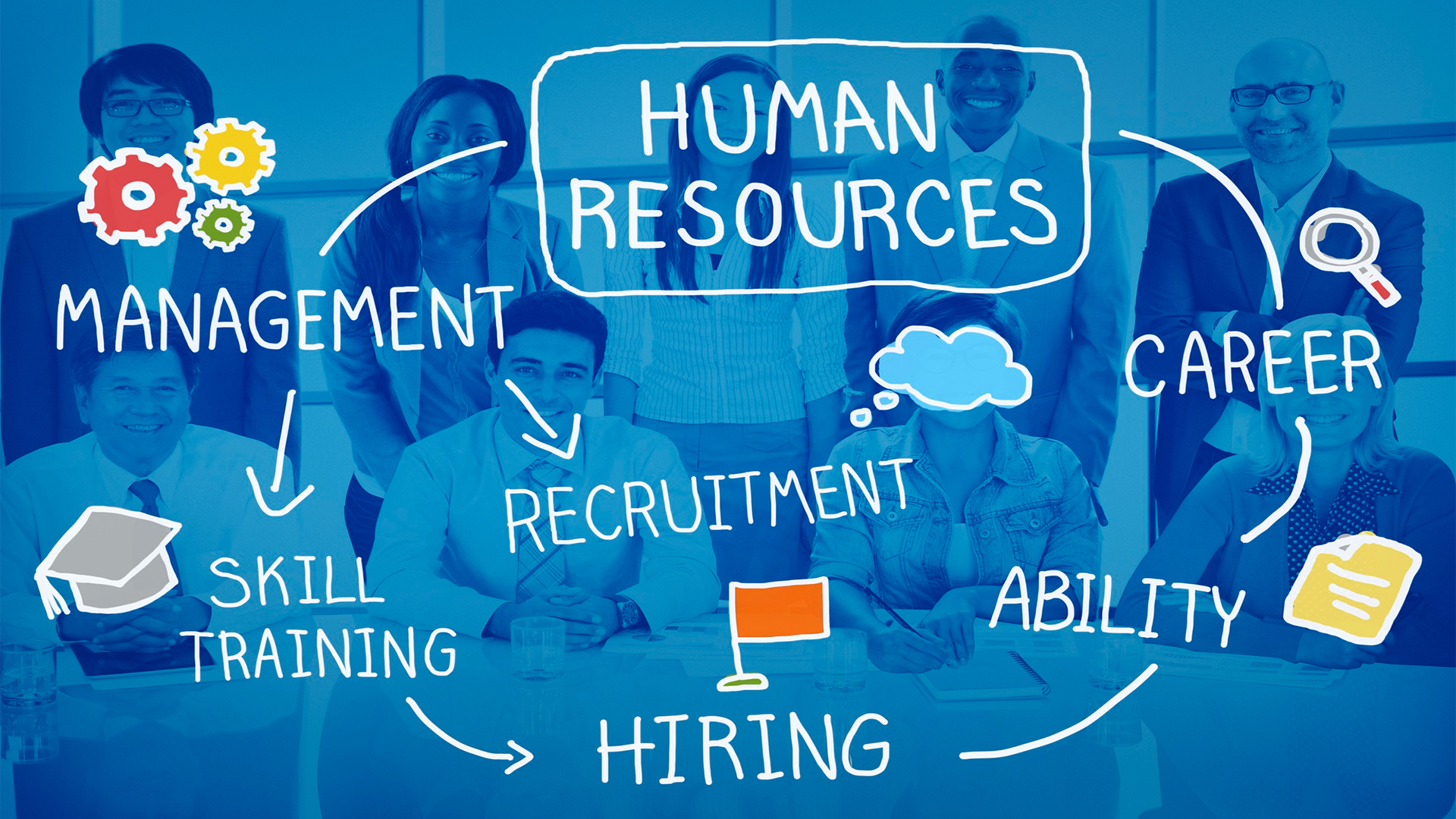
What part does HR play in leadership? Making ensuring the correct and qualified individuals are allocated at the leadership level and are functioning to their full ability is a crucial responsibility of HR in any organization. The success of any organization rests on its HR leaders. The HR leaders must possess additional abilities because they are in charge of developing and implementing strategies for talent needs.
To help the organization succeed, they must be aware of where it is headed, be able to influence senior executives, and support the strategy and planning processes. To enhance their skills and maximize their position, HR leaders must be aware of their strengths and weaknesses. They must have the ability to persuade, maneuver, and have confidence to carry out their duties.
The goal of HR Leadership Development is to equip HR professionals to lead effectively in their respective companies. It includes a variety of tactics, plans, and projects intended to improve organizational performance, cultivate strategic thinking, and strengthen leadership abilities. HR directors are essential in establishing the culture, spearheading talent management programs, and coordinating HR procedures with corporate goals.

Introduction
All things considered, HR Leadership Development is crucial to creating a pool of competent HR executives who can propel corporate success, encourage innovation and continuous development, and add value for stakeholders and workers alike. Organizations can strategically contribute to the achievement of business goals and objectives by investing in the development of HR leadership talent, hence building a robust HR department.
This Training Bee HR Leadership development program focuses on the needs of leading and growing a strategic function by self-awareness, engaging, building organisations’ capacity and culture. Despite the fact that the course is titled “HR leadership,” it is strongly advised that every functional leader who manages people be familiar with all the skills covered in the program.
We are The Training Bee, a global training and education firm providing services in many countries. We are specialized in capacity building and talent development solutions for individuals and organizations, with our highly customized programs and training sessions.

Learning Objectives
Upon completing HR Leadership Development Training Program, participants will be able to:
- Gain the ability to match organizational objectives with HR practices.
- Develop the skills necessary to motivate and successfully lead HR teams.
- Prepare executives to lead and oversee organizational change with ease.
- Expert techniques for attracting, nurturing, and keeping outstanding personnel.
- Boost communication between people to engage and influence stakeholders.
- Develop strategies for amicably resolving problems at work.
- Boost your capacity to make strategic, data-driven HR choices.
- Discover how to maintain and raise high levels of job satisfaction and motivation.
- Put best practices into practice to assess and improve employee performance.
- Create plans to advance an inclusive and diverse work environment.

Our Unique Training Methodology
This interactive course comprises the following training methods:
- Journaling – This consists of setting a timer and letting your thoughts flow, unedited and unscripted recording events, ideas, and thoughts over a while, related to the topic.
- Social learning – Information and expertise exchanged amongst peers via computer-based technologies and interactive conversations including Blogging, instant messaging, and forums for debate in groups.
- Project-based learning
- Mind mapping and brainstorming – A session will be carried out between participants to uncover unique ideas, thoughts, and opinions having a quality discussion.
- Interactive sessions – The course will use informative lectures to introduce key concepts and theories related to the topic.
- Presentations – Participants will be presented with multimedia tools such as videos and graphics to enhance learning. These will be delivered engagingly and interactively.

Training Medium
This HR Leadership Development Training Program training is designed in a way that it can be delivered face-to-face and virtually.

Course Duration
This training is versatile in its delivery. The training can be delivered as a full-fledged 40-hour training program or a 15- hours crash course covering 5 hours of content each day over 3 days

Pre-course Assessment
Before you enroll in this course all we wanted to know is your exact mindset and your way of thinking.
For that, we have designed this questionnaire attached below.
- How well do you match corporate objectives with HR initiatives?
- How confident are you in your ability to manage and lead HR teams?
- How do you encourage and inspire the members of your HR team?
- How well-versed in change management concepts are you?
- Evaluate your existing talent acquisition and development initiatives.
- What difficulties have you encountered with managing talent, and how have you resolved them?

Course Modules
This HR Leadership Development Training Program covers the following topics for understanding the essentials of the Agile Workplace:
Module 1 – HR Strategy Management
- Creating and putting into practice HR strategies.
- Recognizing corporate objectives and coordinating HR efforts.
- Measuring how HR procedures affect the results of business operations.
Module 2 – Team management and leadership
- Leadership philosophies and their effects.
- Assembling and leading high-achieving teams.
- HR personnel who receive coaching and mentorship.
Module 3 – Adjustment Management
- Frameworks and paradigms for change management.
- Overcoming resistance and conveying change.
- Putting change initiatives into action and assessing them.
Module 4 – Recruiting and Managing Talent
- Methods of strategic hiring and selection.
- Career pathing and talent development.
- Succession planning and retention tactics.
Module 5 – Successful Persuasion and Communication
- Advanced ways of communication.
- Bargaining and persuasion abilities.
- Handling HR communications both internally and outside.
Module 6 – Problem-Solving and Conflict Resolution
- Models and strategies for resolving conflicts.
- Negotiation and mediation abilities.
- Dealing with and averting disputes at work.
Module 7 – Decision-Making in HR Based on Data
- HR data and analytics.
- Data-driven methods for making decisions.
- Successfully interpreting and applying HR data.
Module 8 – Workplace Culture and Engagement
- Techniques to raise worker engagement.
- Establishing and preserving a positive work environment.
- Monitoring and improving worker satisfaction.
Module 9 – Management of Performance
- Systems and techniques for performance evaluation.
- Establishing expectations and performance targets.
- Giving constructive criticism and handling problems with performance.
Post-course Assessment
Participants need to complete an assessment post-course completion so our mentors will get to know their understanding of the course. A mentor will also have interrogative conversations with participants and provide valuable feedback.
- After the training, how confident are you that HR initiatives will be in line with organizational goals?
- Describe a leadership difficulty you overcame by utilizing the knowledge and abilities you received from the program.
- What improvements have you made to your abilities to lead and manage organizational change?
- Which novel approaches to talent management have you adopted, and what were the outcomes?
- Tell about a recent dispute you settled by applying strategies you discovered during the course.

Lessons Learned
Aligning HR strategies with overarching organizational goals is a prerequisite for effective HR leadership. Leaders that are aware of this connection can produce outcomes that are more significant and quantifiable.
Different leadership philosophies have varying effects on the productivity and morale of a team. Effective teamwork can be increased by leaders who are flexible and adaptive in their approaches.
The Importance of Change Management Skills Not only does planning need to be done well, but also good communication and empathy. Implementing early stakeholder involvement and clear messaging can help reduce resistance to change.
Attracting, nurturing, and keeping exceptional people is essential to the success of a company. Increased employee engagement and retention are the result of proactive talent management strategies.
Clear delivery of information and attentive listening to criticism are both necessary for effective communication. It’s essential for establishing confidence and encouraging teamwork at work.
Effective conflict resolution requires comprehending opposing viewpoints and identifying compromises. The ability to negotiate and mediate conflicts is essential for preserving a productive workplace.
Making educated HR decisions and assessing the results of HR efforts is made easier by utilizing data and analytics. Improved results and increased strategic planning can result from data-driven insights.
Employee engagement is a continuous process rather than a one-time event. To keep employee engagement high, demands and satisfaction levels must be routinely assessed and addressed.