
Business Ethics and professional conduct
 Download Brochure
Course overview
Professional behavior and ethical decision-making are more important than ever in the quickly changing corporate world of today. Businesses and individuals must maintain high standards of integrity and responsibility because organizations are constantly scrutinized by stakeholders, employees, regulators, and the general public. The purpose of the Business Ethics and Professional Conduct Certification Course is to assist people comprehend the value of ethical principles in the workplace and to help them navigate challenging situations with integrity and professionalism. Regardless of your role—manager, employee, entrepreneur, or business leader—this course offers the frameworks and resources you need to encourage moral behavior in your company.
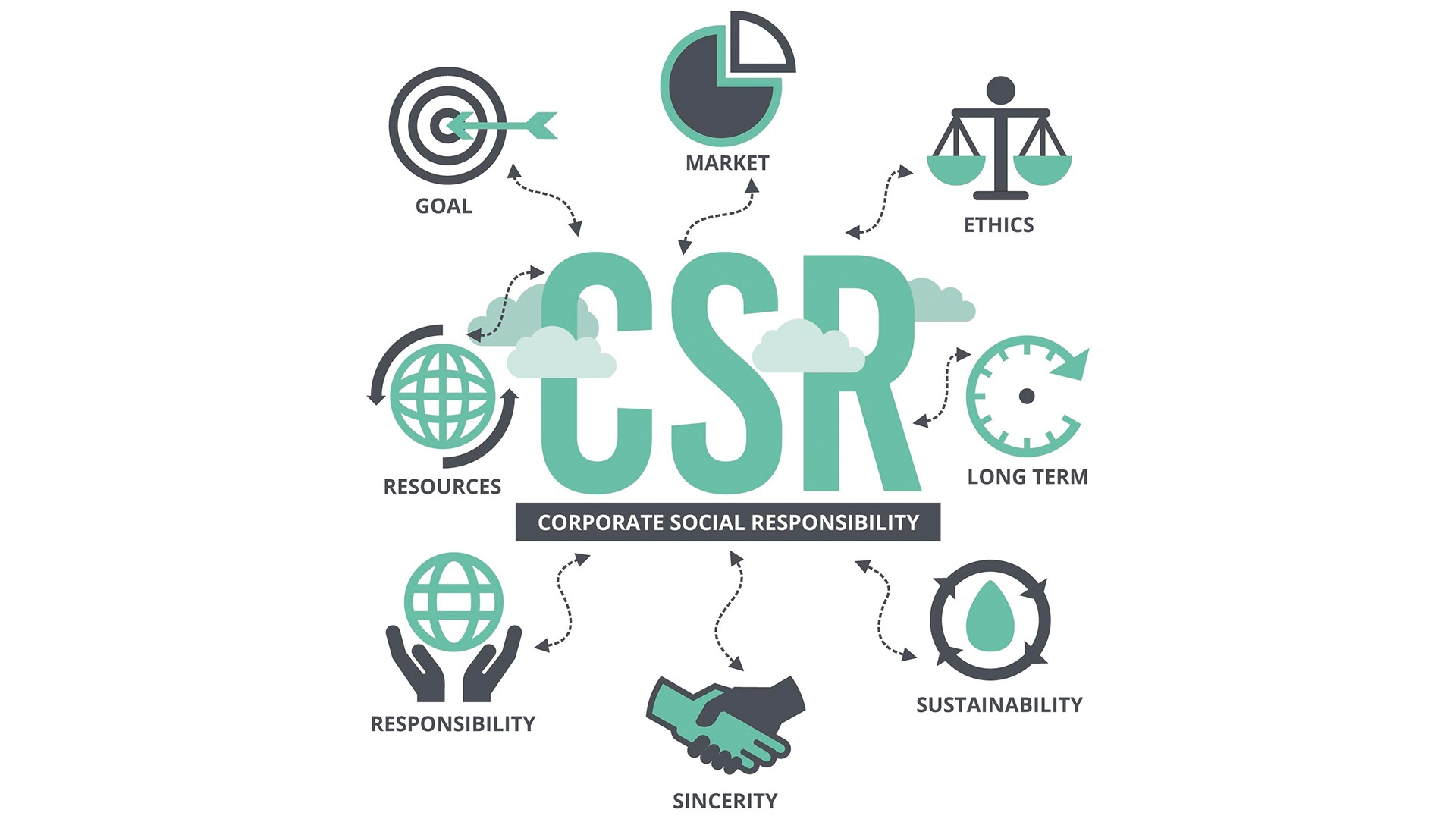
The moral precepts and norms that govern conduct in the business sector are at the center of business ethics. The core ideas of business ethics, including accountability, openness, fairness, honesty, and respect for others, are introduced to learners in this course. It highlights that moral conduct is essential to establishing long-term trust, a positive reputation, and long-term success for both people and businesses, and it goes beyond merely following the law. The relationship between ethics and corporate social responsibility (CSR) is also covered in the course, showing how moral behavior can boost corporate success and have a positive social impact.
Understanding how professional behavior contributes to the development of an ethical corporate culture is one of the course’s main objectives. The behavior, attitudes, and values that professionals are expected to display in their workplaces are all included in professional conduct. This entails preserving privacy, honoring intellectual property, and adhering to rules and guidelines particular to the sector. Businesses can foster a pleasant work environment that promotes respect, cooperation, and trust among staff members, clients, and stakeholders by establishing clear standards for professional behavior.
The course will teach learners how to apply ethical principles to a variety of real-world business problems, such as corporate governance, environmental responsibility, workplace discrimination, bribery and corruption, and conflicts of interest. The course emphasizes the value of ethical decision-making frameworks and critical thinking, assisting participants in weighing their alternatives in difficult circumstances and selecting the most moral course of action. In addition to safeguarding the organization’s reputation, this procedure assists people in making choices that are consistent with their moral principles and advance society.
The course also places a lot of emphasis on ethical leadership. The ethical culture of an organization and the standard for conducting business are greatly influenced by its leaders. The training offers guidance on how leaders should set an example of moral conduct, promote candid communication, and demand accountability from everyone in the company. Making the correct choices is only one aspect of ethical leadership; another is motivating others to behave honorably and making sure that the organization’s principles are represented in its operations.

Introduction
The ethical issues raised by globalization, cultural diversity, and new technologies are also covered in the course. Businesses must negotiate difficult ethical dilemmas pertaining to data protection, artificial intelligence, sustainability, and cross-cultural business practices when they enter international markets and embrace cutting-edge technologies. Participants will examine these issues and discover how to put policies in place that guarantee moral principles are upheld in a society growing more interconnected by the day.
Participants in the Business Ethics and Professional Conduct Certification Course will graduate with a strong grasp of professional conduct, business ethics, and the resources needed to promote an ethical workplace. They will be ready to lead by example in their organizations, uphold integrity, and deal with challenging ethical situations. Furthermore, they will acquire the self-assurance to establish and enforce policies that conform to legal and ethical norms, guaranteeing that their companies continue to be conscientious corporate entities in a market that is both competitive and changing.
We are The Training Bee, a global training and education firm providing services in many countries. We are specialized in capacity building and talent development solutions for individuals and organizations, with our highly customized programs and training sessions.
Anyone looking to improve their professional conduct and ethical awareness would benefit from this course, not simply managers or executives. It offers the cornerstone for establishing a moral career, cultivating solid business connections, and favorably influencing any organization’s ethical culture. Understanding the fundamentals of professional conduct and business ethics will help you successfully negotiate the challenges of contemporary business, whether you’re managing your own company or working for a major firm.

Learning Objectives
Upon completing Business ethics and professional conduct, participants will be able to:
- Recognize Core Ethical Principles: Acquire a firm grasp of the core ethical principles that govern corporate conduct and choices.
- Use Ethical Decision-Making Frameworks: Acquire the skills necessary to apply ethical decision-making frameworks to actual business scenarios.
- Encourage an Ethical Organizational Culture: Create plans to uphold and encourage an ethical culture in businesses.
- Handle Ethical and Legal Difficulties: Determine and resolve moral and legal issues pertaining to industry rules, compliance, and corporate governance.
- Improve Professional Conduct: Recognize how crucial professional conduct is to upholding honesty, respect, and trust in the workplace.
- Develop Ethical Leadership Skills: Develop the abilities required to set a good example and encourage moral conduct in groups and organizations.

Our Unique Training Methodology
This interactive course comprises the following training methods:
- Journaling – This consists of setting a timer and letting your thoughts flow, unedited and unscripted recording events, ideas, and thoughts over a while, related to the topic.
- Social learning – Information and expertise exchanged amongst peers via computer-based technologies and interactive conversations including Blogging, instant messaging, and forums for debate in groups.
- Project-based learning
- Mind mapping and brainstorming – A session will be carried out between participants to uncover unique ideas, thoughts, and opinions having a quality discussion.
- Interactive sessions – The course will use informative lectures to introduce key concepts and theories related to the topic.
- Presentations – Participants will be presented with multimedia tools such as videos and graphics to enhance learning. These will be delivered engagingly and interactively.

Training Medium
This Business ethics and professional conduct training is designed in a way that it can be delivered face-to-face and virtually.

Course Duration
This training is versatile in its delivery. The training can be delivered as a full-fledged 40-hour training program or a 15- hours crash course covering 5 hours of content each day over 3 days

Pre-course Assessment
Before you enroll in this course all we wanted to know is your exact mindset and your way of thinking.
For that, we have designed this questionnaire attached below.
- What is business ethics’ main objective?
- What does “business ethics” mean to you?
- Give an instance when a worker might encounter an ethical conundrum at work. How would you go about fixing it?
- Why is upholding professional behavior essential to an organization’s success?
- What part, in your opinion, does leadership play in creating a moral workplace culture?
- If you witnessed a coworker acting unethically, how would you respond this situation?

Course Modules
This Business ethics and professional conduct covers the following topics for understanding the essentials of the Agile Workplace:
Module 1 – Ethical Governance and Leadership
- Guidelines for moral leadership
- Leaders’ role in establishing moral guidelines and standards
- Frameworks for corporate governance and ethical adherence
- Encouraging accountability and openness at all levels
Module 2 – Advanced Ethical Decision-Making Models
- Frameworks for making ethical decisions (such as utilitarianism, deontology, and virtue ethics)
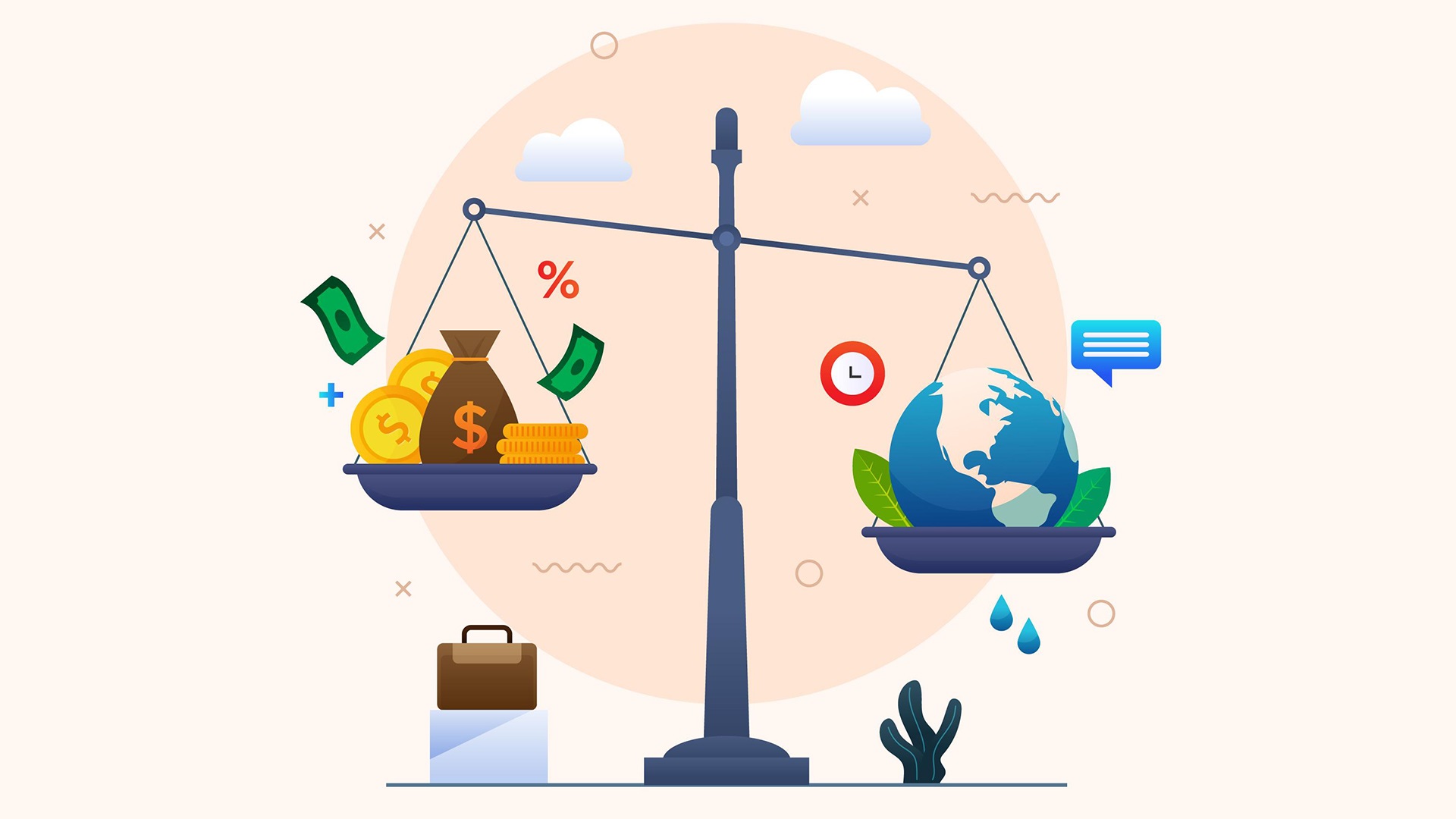
- Making tough decisions while juggling ethics and profit
- Case studies with high-stakes moral dilemmas (such as environmental ethics, conflicts of interest, and whistleblowers)
- Multi-stakeholder decision-making: taking society, customers, employees, and shareholders into account
Module 3 – Corporate Social Responsibility (CSR) and Sustainability
- An explanation of CSR and its significance in contemporary business
- Implications of sustainability policies for ethics
- CSR and environmental responsibility: striking a balance between ecological effect and commercial success
- Building connections with communities, authorities, and non-governmental organizations is known as stakeholder engagement.
Module 4 – Cross-cultural considerations and ethics in international business
- The ethical ramifications of globalization: cross-border regulation, environmental effects, and labor standards
- Managing cultural differences while making moral decisions
- Ethics in international sourcing and supply chains
- Taking on ethical and human rights issues in developing markets
Module 5 – Technology’s Ethical Challenges and Data Privacy
- Ethical problems with automation, AI, and machine learning (such as algorithmic prejudice and privacy issues)
- Data privacy regulations and the moral application of consumer data
- Digital intellectual rights, intellectual property, and cybersecurity
- The morality of employee monitoring and surveillance in the digital era
Module 6 – Ethics Reporting and Whistleblowing
- Legal safeguards and rights for whistleblowers
- Whistleblowing and managing private information: ethical considerations
- Creating and overseeing a mechanism for ethical reporting
- Examples of effective whistleblower interventions and their effects on the organization
Module 7 – Consumer Protection and Ethical Marketing
- Consumer rights, product claims, and advertising ethics
- Fair marketing and pricing strategies in cutthroat markets
- Honesty and openness in brand messaging
- Corporate responsibility to low-income areas, the elderly, and children are examples of vulnerable consumer groups.
Module 8 – Ethics in Corporate Reporting and Financial Practices
- Insider trading, financial fraud, and unethical financial behavior
- The function of auditors in ethical reporting and corporate transparency
- Controlling conflicts of interest when making financial decisions
- Implications of executive bonuses and salary for ethics
Post-course Assessment
Participants need to complete an assessment post-course completion so our mentors will get to know their understanding of the course. A mentor will also have interrogative conversations with participants and provide valuable feedback.
- What is the most crucial element to consider while dealing with moral dilemmas in international business?
- The encouragement of whistleblowing occurs when
- How can company executives make sure that moral judgment is included into the day-to-day operations of their organization? Give at least two tactics.
- What do you think is the biggest ethical dilemma that companies with international operations confront, and how can they resolve it?
- Describe the idea of “Corporate Social Responsibility” and the ways in which it helps the company and the community.
- Give an example of a circumstance in the workplace where whistleblowing would be required. What actions are necessary to safeguard the whistleblower?
- What part does openness play in establishing a moral business culture? Give an example of how decision-making might benefit from transparency.

Lessons Learned
Following the law is only one aspect of business ethics; another is making morally righteous, open, and socially responsible decisions. The importance of ethical business practices in fostering credibility, trust, and long-term success was stressed throughout the course. Fairness, honesty, integrity, and accountability are important tenets.
The value of formal frameworks for decision-making in resolving ethical quandaries was among the most significant lessons learned. Tools like utilitarianism, deontology, and virtue ethics assist people in understanding their responsibilities, weighing the effects of their choices, and acting morally. Businesses can reconcile commercial objectives with ethical considerations by implementing these frameworks.
The culture of an organization is greatly influenced by its ethical leadership. The workshop emphasized the need for leaders to set the example, model moral conduct, and foster an atmosphere that rewards and values honesty. As role models, ethical leaders encourage others to act properly not only because it is needed but also because it is consistent with their basic beliefs.
Beyond the individual and the company, business ethics also apply to the environment and the community. CSR was highlighted as a crucial area in which businesses can have a beneficial influence. Companies have social responsibility in addition to shareholder accountability. Businesses can improve their image and foster goodwill by implementing socially conscious and sustainable strategies.
When personal interests get in the way of professional responsibilities, conflicts of interest occur. The workshop offered useful techniques for identifying and resolving problems, including establishing explicit guidelines, encouraging candid dialogue, and guaranteeing openness in the decision-making procedures. Participants gained knowledge on how to steer clear of circumstances that can jeopardize their moral principles.
It was underlined how crucial it is to have efficient ethics reporting procedures. Whistleblowing is essential for exposing unethical behavior in businesses. Participants in the seminar learned about the legal protections available to whistleblowers as well as the actions that organizations should take to promote reporting while shielding those who come forward from reprisals.