
Building Safety: Unlock Your Construction Potential
 Download Brochure
Course overview
Construction sites continue to be the most dangerous workplaces in the world, owing to the fact that the majority of workers there are unskilled or semi-skilled. According to recent figures from the International Labor Organization (ILO), at least 60,000 fatal workplace accidents occur each year worldwide in the construction industry, amounting to one death every 10 minutes.
Construction injuries outnumber fatalities by a factor of ten. Collapse of under-construction buildings/scaffolding/structures/cranes/construction equipment, being hit by falling objects, falling workers, electrocution, fire burn-out, being hit by flying/rotating/pressurized/energized tools and equipment are some of the causes of injuries/fatalities on construction sites.
Construction safety is one of the most important factors that safety professionals emphasize. Workers are instructed in the safe use of construction tools and equipment, extra safety measures to take while working in hazardous construction areas, how to handle energized equipment, and how to utilize personal protective equipment (PPE) while engaged in construction tasks.
This Training Bee training course will provide learners with a thorough understanding of the standards, skills, and qualities for Construction Safety.

Introduction
Construction is an important business that shapes our planet. However, it also has inherent risks and hazards that necessitate our undivided attention to safety. This thorough training has been methodically created to provide you with the knowledge, skills, and expertise needed to promote safety excellence in construction workplaces.
Participants will embark on a transforming journey as participants in this course, covering the fundamental principles of construction safety, hazard awareness, risk assessment, and best practices to create a safe work environment for all. Our knowledgeable instructors will lead you through interesting modules, interactive seminars, and practical simulations that will put your critical thinking and decision-making skills to the test.
We are The Training Bee, a global training and education firm providing services in many countries. We are specialized in capacity building and talent development solutions for individuals and organizations, with our highly customized programs and training sessions.

Learning Objectives
Upon completing Construction Safety Training Course, participants will be able to:
- Recognize the hazards in the construction workplace.
- Learn how to put controls in place to manage construction hazards and risks.
- Understand safe working practices for all major construction jobs.
- Recognize the roles of construction safety officers, construction supervisors, and construction workers.
- Recognize the significance of Job Safety Analysis (JSA) / Hazard Identification and Risk Assessment (HIRA) on construction sites.
- Educate construction managers on the value of Toolbox Talks and job briefings in languages that workers can comprehend.
- Recognize the significance of construction site auditing.

Our Unique Training Methodology
This interactive course comprises the following training methods:
- Journaling – This consists of setting a timer and letting your thoughts flow, unedited and unscripted recording events, ideas, and thoughts over a while, related to the topic.
- Social learning – Information and expertise exchanged amongst peers via computer-based technologies and interactive conversations including Blogging, instant messaging, and forums for debate in groups.
- Project-based learning
- Mind mapping and brainstorming – A session will be carried out between participants to uncover unique ideas, thoughts, and opinions having a quality discussion.
- Interactive sessions – The course will use informative lectures to introduce key concepts and theories related to the topic.
- Presentations – Participants will be presented with multimedia tools such as videos and graphics to enhance learning. These will be delivered engagingly and interactively.

Training Medium
This Construction Safety Training Course training is designed in a way that it can be delivered face-to-face and virtually.

Course Duration
This training is versatile in its delivery. The training can be delivered as a full-fledged 40-hour training program or a 15- hours crash course covering 5 hours of content each day over 3 days

Pre-course Assessment
Before you enroll in this course all we wanted to know is your exact mindset and your way of thinking.
For that, we have designed this questionnaire attached below.
- What is the fundamental purpose of construction safety, and why is it so important in the industry?
- Identify the most prevalent building site dangers and provide examples of how they might be controlled or reduced.
- Describe the function of a construction site supervisor in ensuring worker safety and establishing a safety culture.
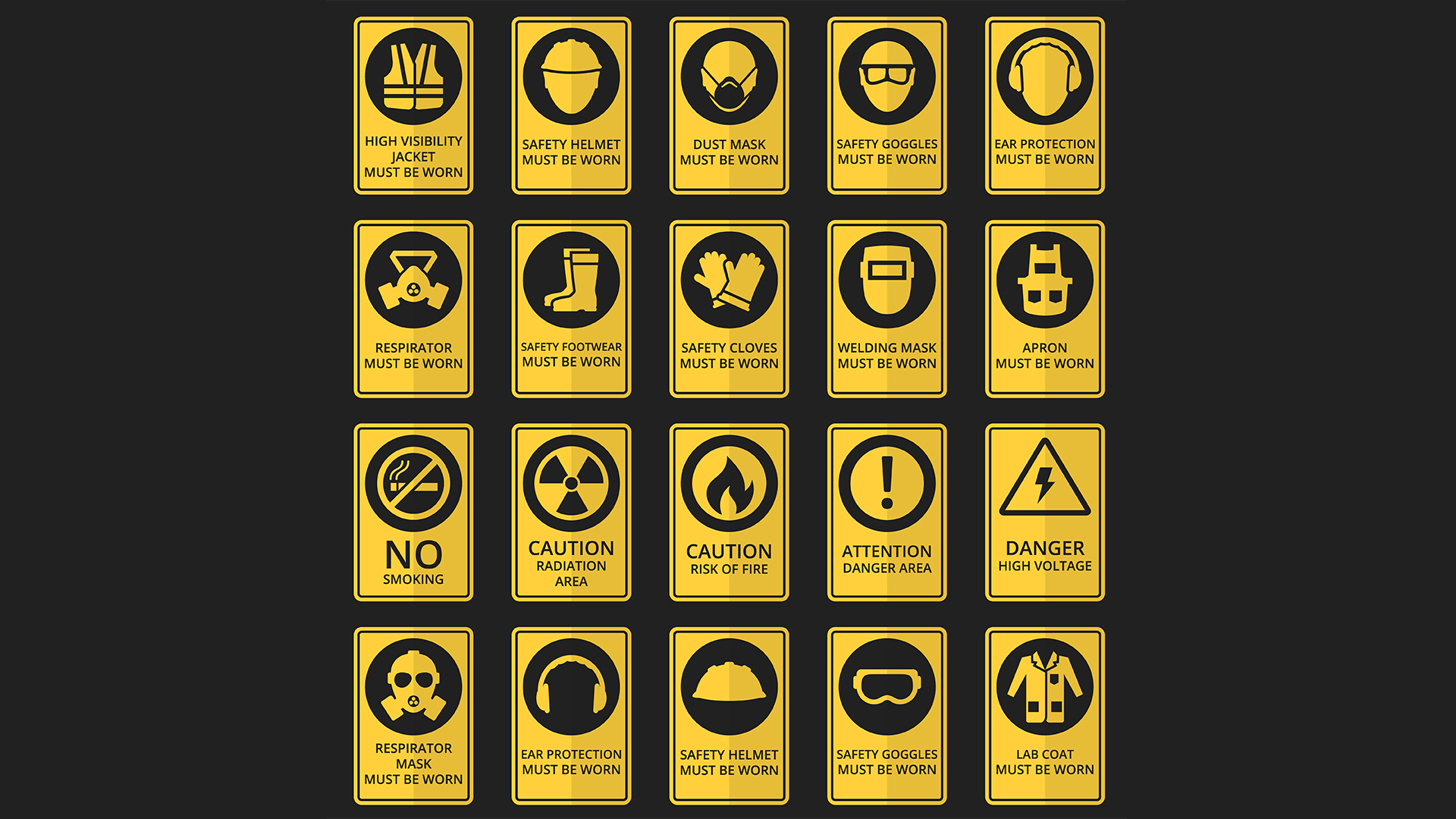
- Explain the significance of personal protective equipment (PPE) in construction safety and give instances of various types of PPE used in construction.
- What are the key processes in conducting an in-depth construction site risk assessment, and how can the results be used to improve safety measures?
- Explain the need of effective scaffolding procedures in construction safety and the risks associated with inadequate scaffolding.

Course Modules
This Construction Safety Training Course covers the following topics for understanding the essentials of the Agile Workplace:
Module 1 – WHAT EXACTLY IS A CONSTRUCTION SITE?
- Definitions and concepts
- Construction Site Types
- Construction Site Activities
- Greenfield and brownfield development
- Construction site safety group
Module 2 – COMMON RISKS ON THE CONSTRUCTION SITE AND PROTECTION
- Harsh environmental/ambient conditions
- Vehicle movements and the related danger of noise and dust
- Jobs that run concurrently
- Communication stumbling blocks and linguistic barriers
Module 3 – HAZARDS AND CONTROLS IN EXCAVATION
- Underground service damage
- Workers are being buried beneath the capsizing excavation.
- Asphyxiation of workers in excavation-created tight areas
- Possible hazardous gas release from soil/faulty subterranean gas pipes
- Water release and flooding from defective utility services
Module 4 – WORKING FROM A HEIGHT
- Dangers of falling
- Lanyards and fall arrest equipment
- Scaffolding that is safe
- Personnel transporting baskets and other equipment
- Various controls and safeguards
Module 5 – WELDING, GRINDING, AND GAS-CUTTING
- High-energy hit hazards, wounds, and burning
- Hazards of ignition, gas explosion, and electrocution
- Analysis of occupational safety, procedures, and training
- Various controls and safeguards
Module 6 – STRONG LIFTS
- Failures of lifting equipment might result in the collapse of the lifting equipment.
- Visual and physical inspection and testing (proof load)
- Lift planning and risk assessment Lift management
- Environmental and supporting conditions influencing the safe lift
Module 7 – OTHER CONSTRUCTION WORK IN SPECIAL LOCATIONS/SITUAIONS
- Working in tight quarters during construction/erection
- Constructing a communication tower
- Working with water
- Stress testing
- Working on or with electrically charged or powered equipment
Module 8 – HAZARDS OF IONIZING RADIATION IN RADIOGRAPHY
- Ionization radiation dangers and deadly health effects
- Control of radiography equipment movement
- Controls over radiography activities to eliminate risks to unclassified people
- Radiography equipment storage
- Radiography employees’ health is being monitored.
Post-course Assessment
Participants need to complete an assessment post-course completion so our mentors will get to know their understanding of the course. A mentor will also have interrogative conversations with participants and provide valuable feedback.
- What are your primary takeaways from the Construction Safety Training Course in terms of the relevance of construction safety in the industry?
- Identify the most common hazards on construction sites and provide examples of effective risk-mitigation methods.
- How can efficient communication between construction workers and managers help to keep the workplace safe?
- Describe the responsibilities of a construction site supervisor in fostering safety culture and assuring worker safety compliance.
- Explain the importance of personal protective equipment (PPE) in construction safety and show examples of PPE that is suited for various construction tasks.
- Describe how to conduct a comprehensive risk assessment for a construction site and how the results can be used to improve safety measures.

Lessons Learned
Emphasizing a “safety first” approach is critical for preventing accidents and injuries on construction sites. Every decision and action should put the well-being of employees and the community first.
Understanding the numerous dangers present in construction environments and adopting appropriate control measures are critical in creating a safe work environment.
Open and effective communication between workers, supervisors, and management is critical in developing a safety culture and ensuring that safety rules are followed.
Supervisor Leadership: Construction site supervisors have an important role in promoting safety, creating a positive safety culture, and ensuring that safety requirements are followed.
Personal Protective Equipment (PPE): Proper PPE selection, use, and maintenance are critical for protecting employees from construction-related dangers.
“Building a Safer Future: Certified Construction Professionals Making a Difference”