
CSR Essential Enabling Sustainable Change
 Download Brochure
Course overview
Through different environmental and social efforts, corporate social responsibility (CSR), a kind of self-regulation, illustrates a company’s obligation and commitment to better communities and society. As a business leader, you are responsible for the social and environmental impacts of your organization. Because they recognize how crucial CSR is to a company’s brand reputation, talent retention, and overall business performance, leading firms today carry out their CSR initiatives in line with company rules or standards.
How might CSR initiatives help businesses stand out from one another?
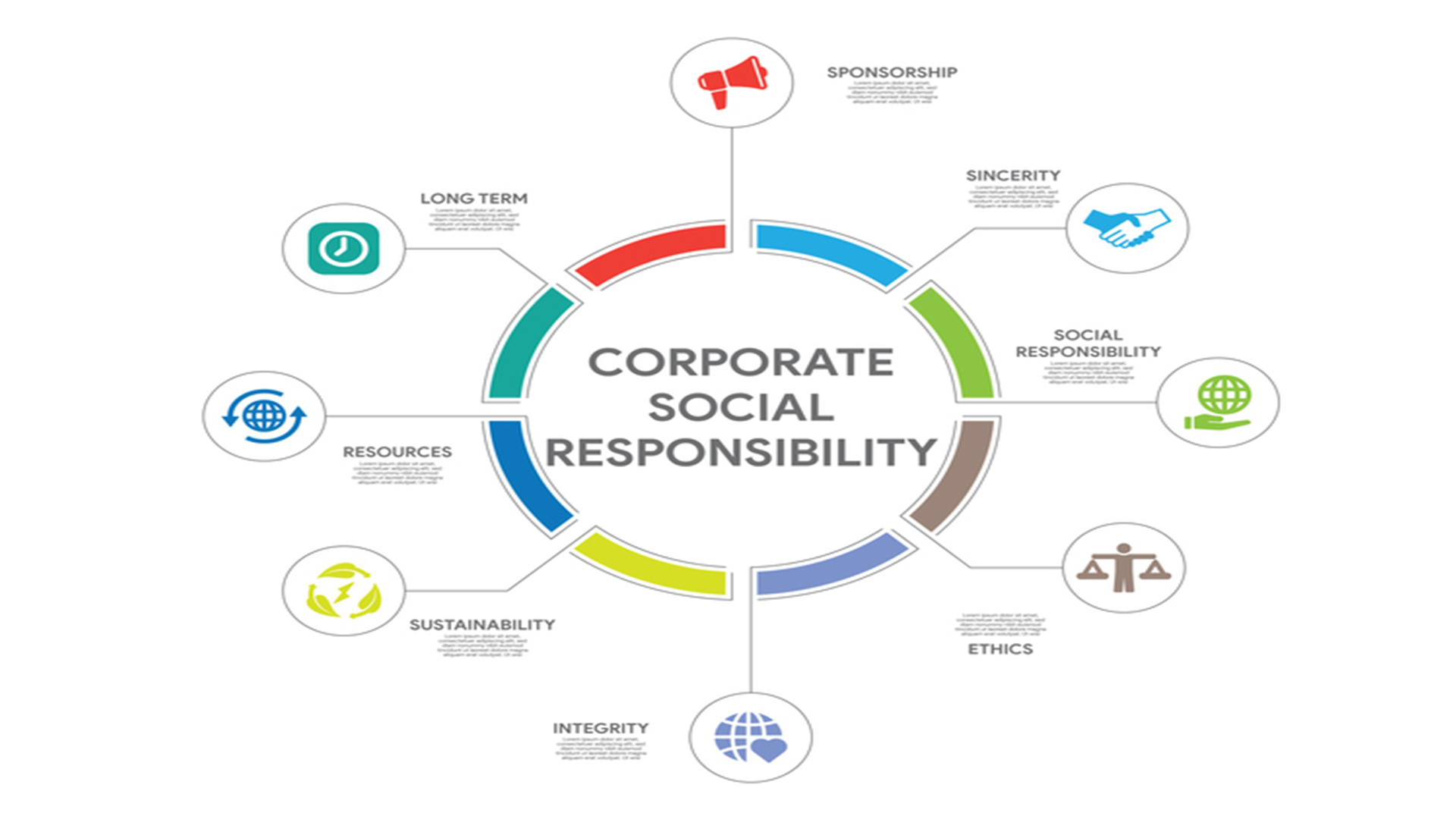
Corporate social responsibility extends beyond a dedication to social and environmental causes. It might be the difference between a business being seen as a leader in its field or an also-ran that only pretends to care about the environment. The secret is to adopt an upstream strategy for CSR and incorporate it into every part of your company, from recruiting procedures and product development to customer and employee interactions. A “key driver” of brand value and appeal is corporate social responsibility. Corporate social responsibility (CSR) is not merely a charitable endeavor; it is also a strategy for attracting consumers and talent, who are becoming more concerned with the outside world in which their businesses operate.
How can you raise your awareness of CSR initiatives?
The idea of corporate social responsibility, or CSR, was developed in response to customers’ increasing environmental and social consciousness. The CSR Training Course from The Training Bee examines how businesses may behave ethically to build value and build trust with both stakeholders and employees while promoting sound business practices. With this course, you get instant access to the most cutting-edge CSR and sustainability practices, which will promote CSR operations. In this course, the concepts of sustainability and CSR are examined, with a focus on the ways in which firms have performed above average in these areas.

Introduction
The Certificate in Corporate Social Responsibility (CSR) Training Course is an introductory course designed to provide a comprehensive overview of corporate social responsibility (CSR) and its implications for businesses. This course provides an understanding of the various aspects of CSR, from basic concepts to its application in business. Students will gain knowledge about why and how organizations are increasingly embracing CSR as a fundamental part of their business strategies. The course also provides a detailed look at CSR’s positive impacts on business performance, employee engagement, and the environment. Upon successful completion of this course, students will have a strong foundation to create and implement CSR initiatives within their organization.
We are The Training Bee, a global training and education firm providing services in many countries. We are specialized in capacity building and talent development solutions for individuals and organizations, with our highly customized programs and training sessions.

Learning Objectives
Upon completing CSR Essential: Enabling Sustainable Change, participants will be able to:
- To draw attention to the significance of CSR in the current globalized environment.
- Learn how to improve the sustainability of corporate operations.
- To become familiar with CSR kinds, strategies, models, and methods that can be used in a business environment.
- To comprehend how to improve the company’s reputation in the market.

Our Unique Training Methodology
This interactive course comprises the following training methods:
- Role-playing – Participants will take part in several role-plays and understand practical ways of solving issues.
- Journaling – This consists of setting a timer and letting your thoughts flow, unedited and unscripted recording events, ideas, and thoughts over a while, related to the topic.
- Social learning – Information and expertise exchanged amongst peers via computer-based technologies and interactive conversations including Blogging, instant messaging, and forums for debate in groups.
- Presentations – Participants will be presented with multimedia tools such as videos and graphics to enhance learning. These will be delivered engagingly and interactively.
- Group discussions – The course will incorporate group discussions and debates to encourage active participation and collaboration.
- Case studies – Participants will be presented with realistic scenarios and case studies that demonstrate effective strategies related to the topic. These activities will encourage participants to think critically and apply their knowledge to real-life situations.

Training Medium
This CSR Essential: Enabling Sustainable Change training is designed in a way that it can be delivered face-to-face and virtually.

Course Duration
This training is versatile in its delivery. The training can be delivered as a full-fledged 40-hour training program or a 15- hours crash course covering 5 hours of content each day over 3 days

Pre-course Assessment
Before you enroll in this course all we wanted to know is your exact mindset and your way of thinking.
For that, we have designed this questionnaire attached below.
- What is the purpose of a CSR program?
- What is the difference between a CSR policy and a CSR strategy?
- How can a company’s CSR program help to build its brand image?
- What are the key components of a CSR program?
- What is the role of the company in implementing a CSR program?
- What are the best practices for measuring the success of a CSR program?

Course Modules
This CSR Essential: Enabling Sustainable Change covers the following topics for understanding the essentials of the Agile Workplace:
Module 1 – Corporate Social Responsibility: The Basics
- The role of corporations in society
- Making money is the main goal.
- The organization’s impact on society
- Sustainable business practices
- Carrying out responsibility
Module 2 – Sustainability
- Sustainable development strategies from the 1987 Brundt land Report
- Our future together
- Sustainable development factors include societal influence, environmental effects, etc.
- Corporate Sustainability Model
Module 3 – Corporate social responsibility examples
- Friedman Model
- Ackerman Model
- Integrity of the Environment and Community Model
- Model for Corporate Citizenship
Module 4 – Techniques for CSR
- Social Responsibility Level
- Rejection technique
- Adversarial tactic
- Resistance technique
- Adherence strategy
Module 5 – Ethics in the workplace and ethical philosophies
- Deontological morality
- Utilitarianism
- Relational Ethics
- Objectivism that is moral
- Corporate conduct elements
- The corporate conduct pyramid
- Corporate culture’s function
Module 6 – Corporate Responsibility
- Corporate governance and CSR are related
- Triple-bottom-line thinking
- Corporate governance’s objectives
- Corporate governance instruments
Module 7 – CSR categories
- Responsibility for the environment
- Moral Responsibilities
- Responsibility for Giving
- Financial Responsibilities
Module 8 – Performance Evaluation and Reporting
- Factors that influence performance
- Performance viewed from various angles
- Performance indicators
- Public accounting
- Model for social behavior
Post-course Assessment
Participants need to complete an assessment post-course completion so our mentors will get to know their understanding of the course. A mentor will also have interrogative conversations with participants and provide valuable feedback.
- What are the key areas of focus in CSR?
- How can businesses use CSR to benefit their bottom line?
- What are the ethical considerations for businesses engaging in CSR?
- How can businesses effectively measure the impact of their CSR activities?
- How can businesses ensure their CSR efforts are aligned with their core values?
- What are the challenges of implementing CSR?

Lessons Learned
The main lesson learned from Certificate in Corporate Social Responsibility (CSR) Training Course is that CSR is an essential part of any business and should be taken seriously. It is important to understand the various aspects of CSR such as environmental sustainability, employee welfare, and community engagement. Companies need to develop and implement a CSR strategy to ensure they are taking the necessary steps to ensure sustainability and ethical practices. Additionally, CSR strategies need to be monitored and evaluated in order to ensure that they are being implemented correctly and achieving the desired results. Finally, companies need to actively engage with stakeholders and the community to ensure that their CSR efforts are making a positive difference.
“Now that you have your CSR knowledge and skills, it’s time to use them.”