
Policy Design Principles And Strategies
 Download Brochure
Course overview
The government creates policies through a multi-step process known as “policy making” in response to issues or challenges raised by the public and brought to the attention of lawmakers. These policies, which control the activities of the general public, the government, and other public sector organizations, take the shape of laws and regulations.
In addition to establishing law and order, public policy serves the interests of the general public by addressing societal demands and necessities. A policy framework lays out a set of guidelines or objectives that can be applied during negotiations or decision-making processes in order to establish or uphold policies. The proper and appropriate implementation of government policy is ensured by public administration.
Participants will gain extensive knowledge and understanding about policy creation and administration, including its process, several approaches, and the components of a policy framework, by taking this Training Bee training course.
Those who hope to pursue a long-term career in public policy and administration may find this course very helpful. It covers every crucial facet of a wide range of policymaking domains, enabling one to become dynamic in their skill set and portfolio and promote more prospects for professional advancement.

Introduction
Welcome to the Advanced Public Policy and Administration Training Course, a cutting-edge curriculum created to improve your knowledge of the complex fields of governance and public policy. We will examine cutting-edge methods of public administration, delve deeply into the complexities of policymaking, and give you the tools you need to meet the difficulties of modern governance in this advanced-level course.
This extensive training program is designed for seasoned professionals who want to improve their skills and lead with distinction and work in public service, government, and similar industries. The course provides a comprehensive examination of important subjects essential to efficient public administration, ranging from sophisticated policy analysis to strategic financial management.
Professionals in mid-to-senior positions in public administration, governmental agencies, nonprofits, and similar fields are the target audience for this course. This course is designed for you if you’re keen to improve your leadership abilities, gain a deeper comprehension of public policy, and support efficient governance.
Prepare yourself for a life-changing experience where you will learn cutting-edge techniques, participate in stimulating conversations, and become a leader capable of handling the intricate problems associated with public policy and administration. Greetings and welcome to the Advanced Course on Public Policy and Administration!
We are The Training Bee, a global training and education firm providing services in many countries. We are specialized in capacity building and talent development solutions for individuals and organizations, with our highly customized programs and training sessions.

Learning Objectives
Upon completing Masterclass in Public Policy and Administration, participants will be able to:
- Get in-depth knowledge and information about the creation and management of policies
- Take on positions and responsibilities in any field or vertical of public policy-related work to energize one’s professional portfolio and promote quicker career advancement.
- Use the knowledge and skills you’ve received from this course to improve the procedures and guidelines already in place in your company or at government agencies. This will show that you have what it takes to take on and successfully complete a variety of tasks and responsibilities in this industry.
- Gain the knowledge and expertise needed to comprehend pertinent rules and regulations and make sure that your organization complies with them, which will enhance the reputation of your organization.
- Precisely anticipate obstacles and problems and come up with solutions to lessen their effects on the organization or general public.

Our Unique Training Methodology
This interactive course comprises the following training methods:
- Journaling – This consists of setting a timer and letting your thoughts flow, unedited and unscripted recording events, ideas, and thoughts over a while, related to the topic.
- Social learning – Information and expertise exchanged amongst peers via computer-based technologies and interactive conversations including Blogging, instant messaging, and forums for debate in groups.
- Project-based learning
- Mind mapping and brainstorming – A session will be carried out between participants to uncover unique ideas, thoughts, and opinions having a quality discussion.
- Interactive sessions – The course will use informative lectures to introduce key concepts and theories related to the topic.
- Presentations – Participants will be presented with multimedia tools such as videos and graphics to enhance learning. These will be delivered engagingly and interactively.

Training Medium
This Masterclass in Public Policy and Administration training is designed in a way that it can be delivered face-to-face and virtually.

Course Duration
This training is versatile in its delivery. The training can be delivered as a full-fledged 40-hour training program or a 15- hours crash course covering 5 hours of content each day over 3 days

Pre-course Assessment
Before you enroll in this course all we wanted to know is your exact mindset and your way of thinking.
For that, we have designed this questionnaire attached below.
- Give an explanation of policy analysis and its significance to public administration.
- Determine the typical obstacles that public policy implementation faces.
- Talk about how to get around obstacles to implementing policies effectively.
- Explain the applicability of two well-known public administration ideas to modern governance.
- Describe the ways in which public administration theories can guide government agency decision-making.
- Distinguish between several models of governance, such as network governance and collaborative governance.
- Talk about how crucial ethics are to public management.

Course Modules
This Masterclass in Public Policy and Administration covers the following topics for understanding the essentials of the Agile Workplace:
Module 1 – Public Policy Types
- Restrictive
- Regulatory
- Facilitating
Module 2 – Qualities of Formulating Policies
- Endorsed
- Relevant
- Realistic
- Attainable
Module 3 – Stages of Policy Development
- Establishing an agenda
- Creation of policies
- Legitimation and adoption of policies
- Application of Policy
- Policy analysis
Module 4 – Agenda Types
- Agenda systemic
- Agenda of the institution
- Agenda with discretion
- Agenda for decisions
Module 5 – Models for Formulating Policy
- Model of institutions
- Model of systems
- Reasonable model
- Model of limited rationality
- Model of incrementalism
Module 6 – Factors Affecting the Making of Policies
- Public perception
- Financial circumstances
- Fresh discoveries in science
- Changes in technology
- Interest associations
- Organizations that are non-governmental
Module 7 – Challenges in Policy Development
- Unclear objectives for policy
- Political dedication
- Organizational structure for governance
- Institutional limitations
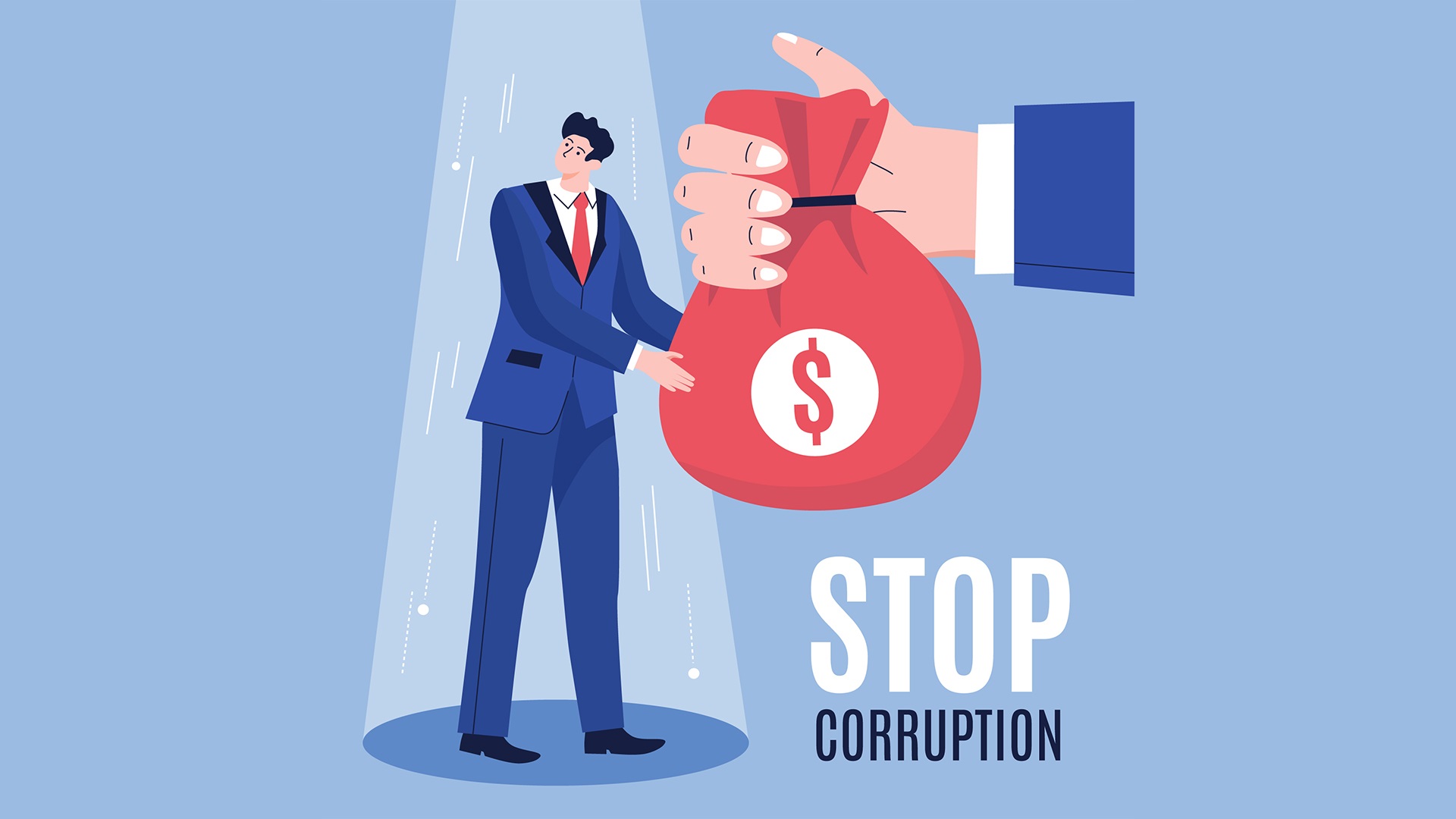
- Corruption
Module 8 – Recommendations for Modifying Policies
- Preparation
- Planning
- Personal contact
- Pulse of the community
- Positivism
- Participation
Post-course Assessment
Participants need to complete an assessment post-course completion so our mentors will get to know their understanding of the course. A mentor will also have interrogative conversations with participants and provide valuable feedback.
- Utilize a particular case study to apply the policy analysis procedures. Determine the important parties, weigh your alternatives for policy, and suggest a course of action.
- Analyze the effectiveness of a recently implemented governmental policy. Determine the elements that made the process successful or the difficulties encountered.
- Examine a public administration problem critically by applying two distinct theories. Talk about how every theory offers a different perspective on the problem.
- Give an example of a possible public administration ethical conundrum. Talk about possible actions and the associated ethical issues.
- Create a framework for assessing a public program’s efficacy. Determine the evaluation techniques and key performance indicators.
- Create a thorough plan of action for promoting a change in policy. Determine the intended recipients, the means of communication, and any obstacles.

Lessons Learned
The significance of adopting an integrated approach to policymaking has been instilled in the participants, who now understand that a comprehensive comprehension of intricate social, economic, and political aspects is necessary for the creation of good public policies.
Dynamic Policy Analysis: Participants have gained advanced abilities in critically assessing policies, comprehending their ramifications, and overcoming implementation obstacles. The course placed a strong emphasis on the dynamic character of policy analysis.
Flexibility in Governance: Participants have come to understand the value of flexibility in selecting governance structures that are in line with particular policy objectives and societal situations, while also acknowledging the diversity of governance models.
Ethics as a Compass: In public administration, ethics has been emphasized as a compass for guidance. The significance of making moral decisions has been absorbed by the participants, who recognize that moral decisions promote integrity and faith in government.