
Port Management Excellence
 Download Brochure
Course overview
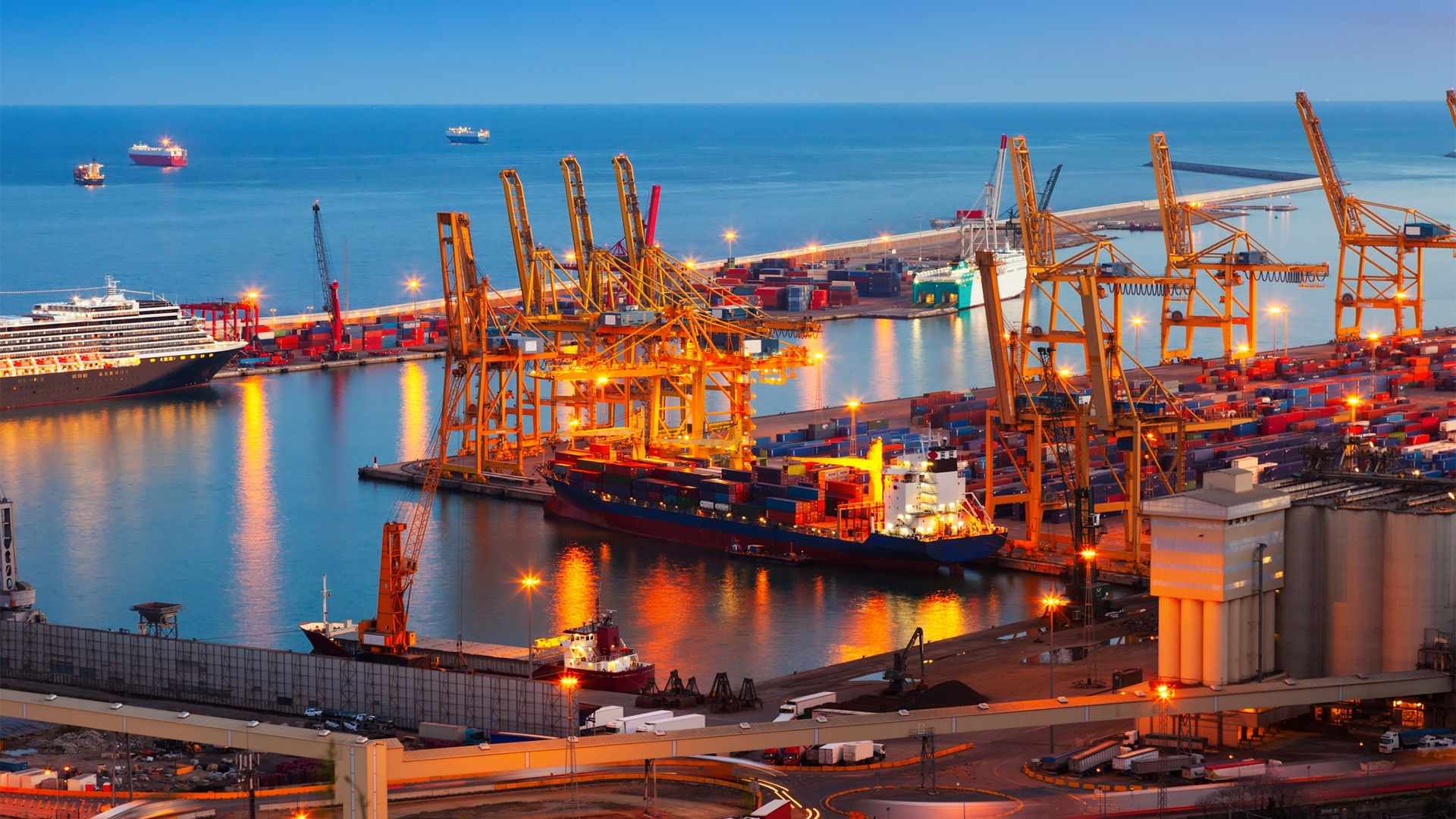
An essential part of our daily lives is transportation. Ports are essential for a seamless and effective flow of maritime transportation since sea transportation is still a major means of moving products. In order to survive and obtain an advantage over their competitors in order to draw in more business, ports must be flexible and responsive due to the growing sizes of vessels and the constantly shifting ownership structures.
What is the course on port management? The purposes, varieties, management, upkeep, and operations of ports are all covered in this course. It includes freight movements on a national and international level, passenger considerations, port rules, requirements and needs for human and physical resources, consignments, monitoring, and consignment unitization. Environmental factors, related infrastructure requirements, and port planning regulations are all covered in the course.
Upon completion of this Training Bee training course, you will have a comprehensive understanding of Port Management and Operations, which will enable you to advance your abilities and improve your skills. It will prepare you to assume leadership roles in your domain of expertise so that you may manage port operations with ease and fluency utilizing the new methods, abilities, and information, contributing right away to the general expansion of your company.

Introduction
The Port Management and Operations Course welcomes you! In a world where international trade and linked economies dominate, effective port administration is essential to promoting trade, guaranteeing economic expansion, and improving relations between nations. With great effort, this course has been designed to provide you a thorough understanding of the concepts, tactics, and difficulties in the ever-changing sector of port administration.
Success in this course requires active involvement, teamwork, and a dedication to applying the knowledge acquired. In order to promote a collaborative learning environment, we strongly urge you to share your experiences and insights.
We are excited to increase your knowledge and abilities in port management and operations as we begin this educational adventure together, giving you the resources, you need to succeed in this fast-paced industry.
We are The Training Bee, a global training and education firm providing services in many countries. We are specialized in capacity building and talent development solutions for individuals and organizations, with our highly customized programs and training sessions.

Learning Objectives
Upon completing Port Management and Operations Course, participants will be able to:
- Thorough comprehension and expertise in port and terminal operations
- Recognize the fundamentals of port business
- Recognizing the vital role ports play in international trade and transportation, as well as the ways in which ports can both favorably and unfavorably affect seaborne trade, which in turn can affect a nation’s ability to develop economically
- The necessary aptitude and ability to communicate on a global scale while managing port operations for trade and business on behalf of the company
- Recognize the effects of globalization on port selection as well as the ways in which distribution and logistics patterns affect the expansion or contraction of port operations.

Our Unique Training Methodology
This interactive course comprises the following training methods:
- Journaling – This consists of setting a timer and letting your thoughts flow, unedited and unscripted recording events, ideas, and thoughts over a while, related to the topic.
- Social learning – Information and expertise exchanged amongst peers via computer-based technologies and interactive conversations including Blogging, instant messaging, and forums for debate in groups.
- Project-based learning
- Mind mapping and brainstorming – A session will be carried out between participants to uncover unique ideas, thoughts, and opinions having a quality discussion.
- Interactive sessions – The course will use informative lectures to introduce key concepts and theories related to the topic.
- Presentations – Participants will be presented with multimedia tools such as videos and graphics to enhance learning. These will be delivered engagingly and interactively.

Training Medium
This Port Management and Operations Course training is designed in a way that it can be delivered face-to-face and virtually.

Course Duration
This training is versatile in its delivery. The training can be delivered as a full-fledged 40-hour training program or a 15- hours crash course covering 5 hours of content each day over 3 days

Pre-course Assessment
Before you enroll in this course all we wanted to know is your exact mindset and your way of thinking.
For that, we have designed this questionnaire attached below.
- Give an overview of a port’s primary purposes and distinguish between its various forms (e.g., container ports, bulk cargo ports, Ro-Ro ports).
- Give the names of two international laws or agreements that have a big influence on port operations. Give a brief explanation of each’s importance.
- List and describe the minimum of three security measures used in contemporary port operations.
- Describe the main elements and procedures that go into running a container terminal.
- Talk about a common environmental issue that ports face and offer a workable solution.
- Describe the idea of intermodal connection and the reasons that effective port operations depend on it.
- Give an example of a possible risk that could arise from port operations and recommend a risk management plan to help reduce it.

Course Modules
This Port Management and Operations Course covers the following topics for understanding the essentials of the Agile Workplace:
Module 1 – Port Administration
- The reasoning behind Port Business
- Recognize how infrastructure, navigation, and handling facilities are structured to supply services.
- Recognize cargo activities both on and off the ship, and the significance of preventing traffic and cargo congestion.
Module 2 – The Purposes of Ports
- Stevedoring goods to and from vessels as well as warehousing and storing goods on land
- Intermodal links and inland access
- Managing freight transshipments, loading and offloading
- Capability Scheduling
Module 3 – Overview of International Logistics and Trade
- Recognize how ports relate to shipping in the context of global logistics.
- Types of ships and modifications to trade routes as a result of globalization
- The function of modal shift and maritime logistics in port management
- Examine how warehousing functions in port operations.
Module 4 – The principles and techniques of port project management
- The fundamentals of project management
- What separates project operating operations from regular ones
- Recognize the significance of superior port project management
Module 5 – Pricing and Financing in Port Operations and Economics
- Examine the port economy’s situation.
- Examine price tariffs and port cost structures.
- An overview of financial management for port managers
- Operational assessment and the impact on port development finances
Module 6 – Port Engineering and Masterplans
- Recognize the significance of port master planning and its procedures.
- As part of a master planning review cycle, talk about the most important engineering concerns and determine a solution.
- Create a multilateral strategy for data exchange, collaboration, and interport interactions.
Module 7 – Port Labor and Human Resources
- Framework for Employee Management
- Knowledge of the historical and contemporary work environments
- Managing port staff effectively through expertise and competency
Module 8 – Ports Management and HSSE (Health, Safety, Security, and the Environment)
- HSSE’s significance in the port industry
- Examine the idea of HSSE management.
- Recognize and go over port management best practices.
- Framework of regulations for port security and safety
- Hazard Assessment
Post-course Assessment
Participants need to complete an assessment post-course completion so our mentors will get to know their understanding of the course. A mentor will also have interrogative conversations with participants and provide valuable feedback.
- Give an example of a time you successfully reduced a possible risk in port operations by implementing a risk management technique covered in the course.
- Give an example of a time when the incorporation of technology, as covered in the course, resulted in significant enhancements to port operations.
- After completing the course, talk about a particular environmental sustainability project or procedure that you have included into port operations.
- Give an example of how you have improved port operations’ intermodal connection by utilizing ideas you have learnt throughout the course.
- Give an example of a plan you put in place to improve container terminal operations using the knowledge you learned from the course.
- Explain how you have put into practice a port security measure that was covered in the course to guarantee the security and safety of port infrastructure.

Lessons Learned
A Comprehensive Strategy for Port Management: Acknowledge the necessity of an integrated approach to port management by comprehending how different tasks within a port are interrelated and how this affects overall productivity.
Flexibility in Response to International Law: Recognize the need of keeping up with international rules and being flexible in order to accommodate them, as they have a significant influence on port operations and compliance.
Preventive Risk Reduction: Stress the value of proactive risk management in port operations, realizing that a port’s resilience and success depend on its ability to recognize and mitigate hazards.
Technology as a Facilitator: Recognize technology as a vital facilitator of contemporary port operations and its ability to improve performance in terms of efficiency and transparency.
Practices for Environmental Sustainability: Acknowledge the long-term effects on the environment and the port’s reputation as you take on the role of establishing and promoting environmental sustainability practices within port operations.
Intermodal Strategic Connectivity: Acknowledge the strategic significance of intermodal connectivity and the ways in which successful integration may improve port performance and streamline operations.
The mindset of continuous improvement: Develop a continuous improvement approach in port management, understanding that tactics should be continuously refined and learned in response to changing market trends and obstacles.
Putting Security First: Recognize the critical role that security plays in port operations, realizing that a safe environment is essential to a port’s long-term viability.