
Shaping The Agile Workspace
 Download Brochure
Course overview
Agile working, Activity-based working, Smart working, flexible working, Homeworking
confused by all these buzzwords?
In this short course, we will guide you to navigate these terms and create the best workspace for your organization. But first, let’s understand what is Agile workspace and its importance in today’s world.
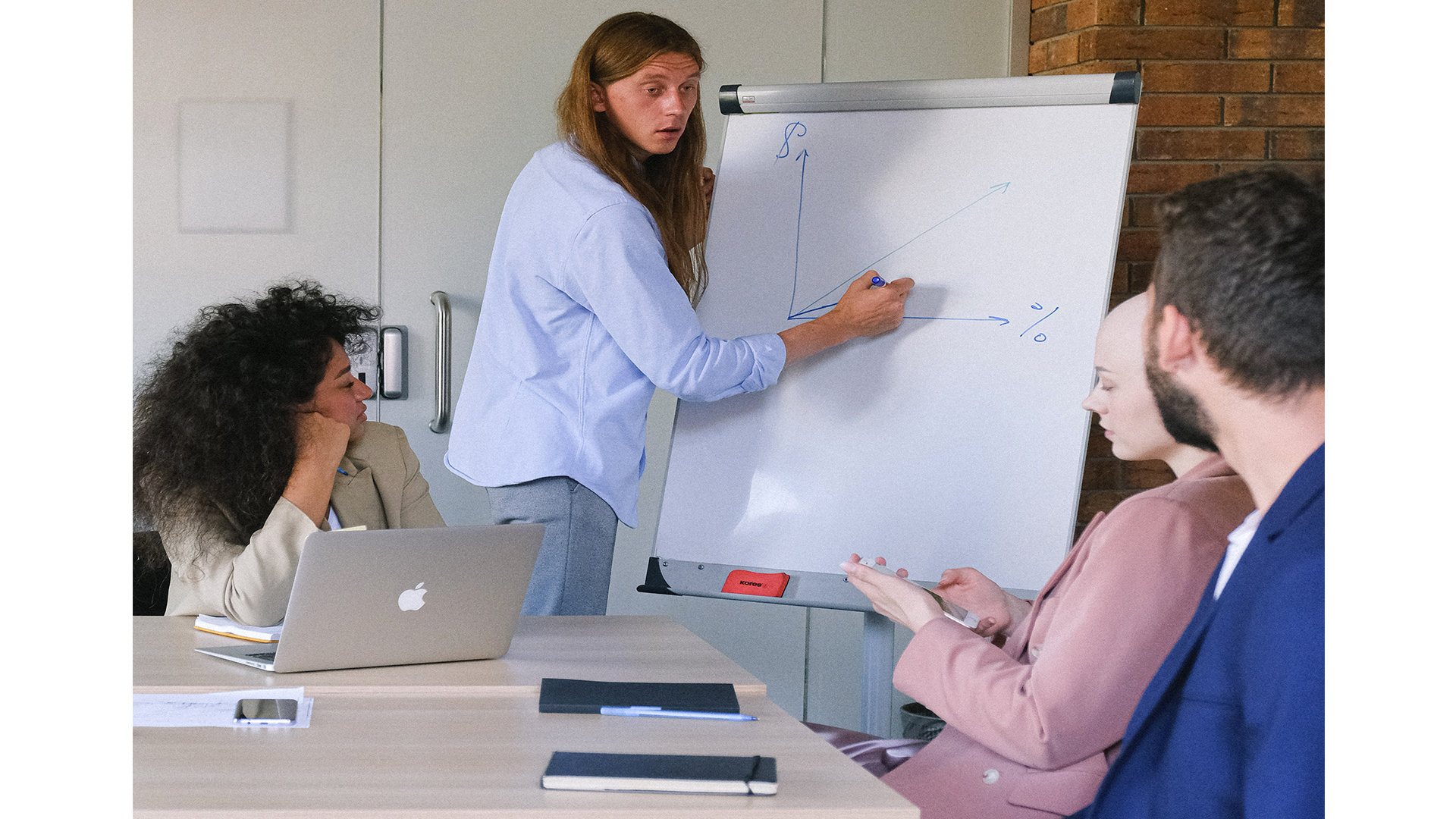
Agile has seen a significant evolution in business terminology over time. Back in the day, Agile had a defined meaning: a set of radical techniques for software development designed to achieve goals more effectively and quickly. But, the concept has grown to embrace other ideas of flexibility in our approach to completing all types of work. The word ‘Agile’ may also refer to dynamic and modern workplace settings.
As a result, an Agile work environment replaces the notion of a typical office with multifunctional shared areas that allow workers to work when and when they wish.
Agile workplace designs have now become the guideline for establishing an office atmosphere that boosts employee productivity. Employees that are comfortable and happy at work will always want to keep working, stay motivated, and deliver the results that the organization requires. That is why an Agile workplace is ideal for most aspiring and successful firms.
Agile working has been around for a long, but many firms appear to be confused about what it entails. Merely labeling a new HR policy as “Agile” does not suggest that you are running an efficient, agile organization. Implementing any type of one-step method puts you in danger of being left standing; not attracting and, as a result, losing excellent talent.
As a result, this The Training Bee program will provide you with the abilities necessary to digest concepts and establish a contextual interpretation of how your business can provide a flexible and adaptive environment in multi-sectoral settings.

Introduction
Gone are the days of creating a two-year plan and simply project managing our way to success. even if we executed the plan perfectly the result would be irrelevant by the time we hit the target today’s world is so fast so complex and so unpredictable that we need a new way of working.
An Agile work environment is described as a workplace that assists in adjusting employees’ ever-changing demands. For example, a single workplace may meet the requirements of 10 separate groups of employees at ten different times. Hence, the capacity to move swiftly in and out of the workplace is what defines the Agile working environment.
A truly Agile work environment will also provide employees with the means to be productive at all times, allowing them to remain focused and not lose out on what is going on around them. This is why it is critical to creating an Agile workplace.
Welcome to the Shaping The Agile Workspace training course. This training course is designed to provide significant benefits to your organization, ensuring that you keep up with the ever-changing office scene and do not fall behind.
By the end of this course, you will have a better understanding of the Agile workspace and how to successfully implement an Agile work environment. You will also have the skills and knowledge necessary to adapt to an Agile work environment and face any resistance from your employees if any.

Learning Objectives
Upon completing Shaping The Agile Workspace Course, participants will be able to:
- Learn how to implement the Agile workspace methodology and concepts in respective organizational environments.
- Understand the concepts and procedures for implementing Agile in the workplace, as well as it’s potential and effect.
- To attract and retain the best talent providing flexibility by agile workspace.
- To encourage more open interaction and collaboration.

Our Unique Training Methodology
This interactive course comprises the following training methods:
- Lectures and presentations: The course will use informative lectures and presentations to introduce key concepts and theories related to Agile Workplace. These will be delivered engagingly and interactively, using multimedia tools such as videos and graphics to enhance learning.
- Case studies and scenarios: Participants will be presented with realistic scenarios and case studies that demonstrate a model workplace and how various activities will e carried out.
- Group discussions and debates: The course will incorporate group discussions and debates to encourage active participation and collaboration.
- Self-reflection and self-assessment: Participants will engage in self-reflection and self-assessment activities to identify their strengths and weaknesses related to bullying prevention and intervention.

Training Medium
This Shaping The Agile Workspace training is designed in a way that it can be delivered face-to-face and virtually.

Pre-course Assessment
Before you enroll in this course all we wanted to know is your exact mindset and your way of thinking.
For that, we have designed this questionnaire attached below.
- Are you aware of the Agile Workplace concept? If yes explain in short.
- what challenges you are facing in your current work setup?
- List down the Importance of having the correct workplace

Course Modules
This Shaping The Agile Workspace covers the following topics for understanding the essentials of the Agile Workplace:
Module 1 – Introduction to Agile Workplace
- An overview of the concept
- The history, principles, and approach.
- Principles of Agile Workplace
Module 2 – Agile Workplace – types
- Quiet spaces
- Breakout spaces
- Resources spaces
- Touchdown spaces
Module 3 – Elements of Agile Workplace
- Work Setup
- 5 Important Concepts
Module 4 – Workplace Utilization
- Space Management Techniques
- Importance of ergonomics
- Enhanced space efficiency
Module 5 – Human Resource perspective
- Effect on hiring talents
- Effect on employee retention
- Positive impact on managing workforce
Module 6 – Environmental Effect
- Reducing carbon footprint
- smarter office environment
Module 7 – Impact on Productivity
- Effect on distractions
- Efficiency and productivity increases
- Better collaboration
Module 8 – Case Study
- Ford Motor Company – on Model T
- The assembly line case from Ford
Post-course Assessment
Participants need to complete an assessment post-course completion so our mentors will get to know their understanding of the course. A mentor will also have interrogative conversations with participants and provide valuable feedback.
- How will you implement these concepts of an Agile Workspace in your organization?
- According to you, what are the challenges of agile workspace conversion?
- What are the advantages of an Agile Workspace?
- How Agile Workspace is appropriate for your business?
- List down the benefits of Agile Workplace you find most useful in line with your organization.

Lessons Learned
There’s no doubt that a conventional employment atmosphere will always provide a strong basis for any business. Creating an Agile workplace, on the other hand, will greatly improve the way your staff accomplishes their responsibilities. There are several strong reasons why you should apply Agile in the workplace, which is why it is time to do so without hesitation.
People and times change. As individuals evolve, it’s no longer wise to let them work on previously approved approaches. As a result, in our digital age, you simply cannot avoid contemporary settings and amenities, which is why an Agile workplace makes perfect sense. While the first adaptation process may be difficult, the end outcome will be well worth it.
“ Comfortable employees are happy employees, and happy employees are productive employees.”