
Suggestive, Upselling and Cross selling Training Course
 Download Brochure
Course overview
Have you ever gone into a store intending to buy one certain and instead ended up purchasing something completely different? or perhaps you were convinced to purchase something that was a little bit above your means by the salesperson? In all honesty, we have all encountered something such to this in our daily lives.
While we are charging for our current transaction, we are notified of any special offers that the store or firm provides. The corporation gently informs us about the other services it offers in addition to the primary offering. Periodically, discounts are sent to the registered mobile numbers we provided.
Our banks frequently call us to tell us about new debit card options, and when we create savings accounts, bankers frequently try to upsell us credit cards. All of us have unintentionally fallen victim to different upselling and cross-selling strategies.
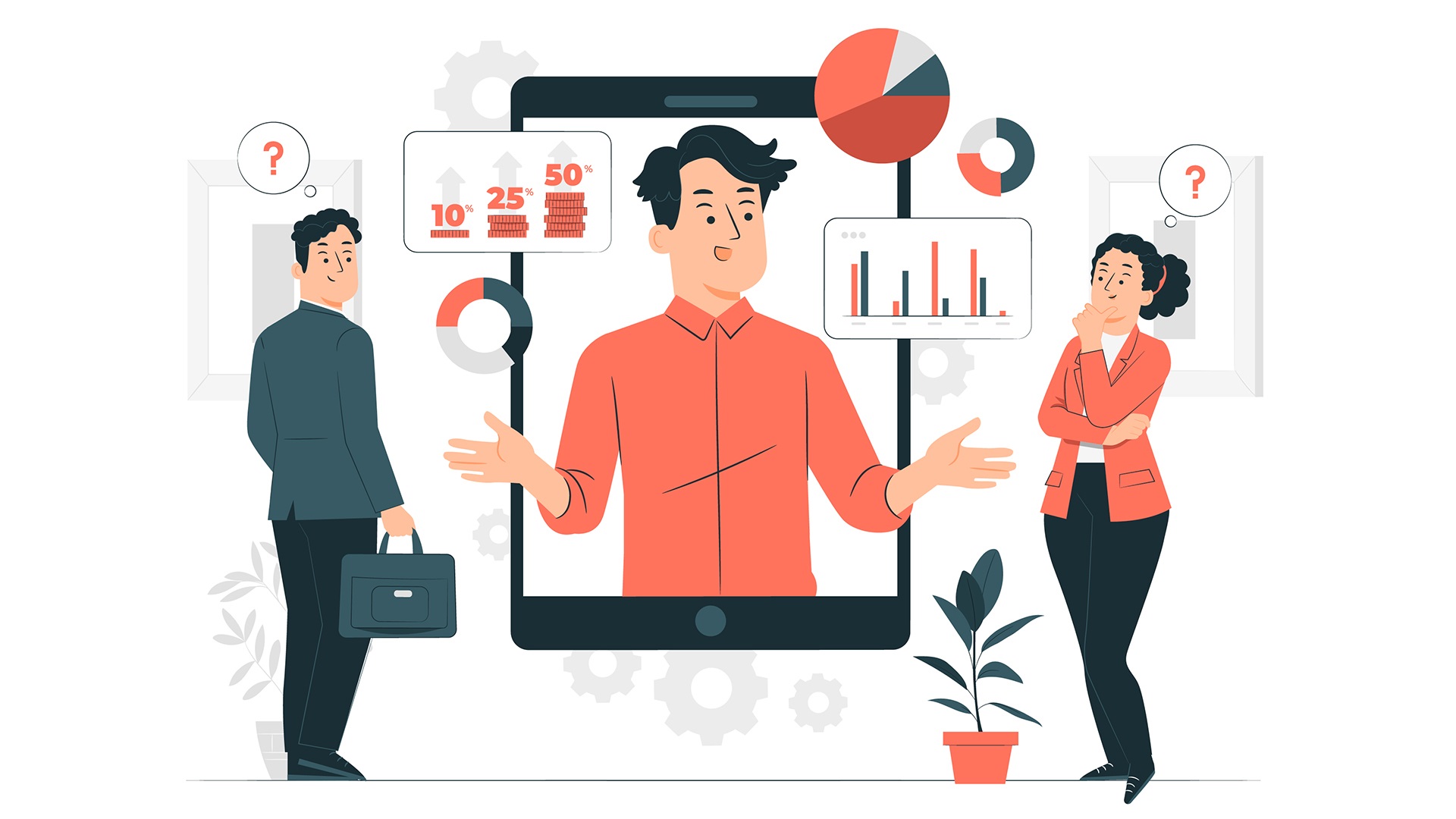
Salespeople attempt to upsell and cross-sell in an effort to persuade clients to make larger purchases. When a salesman tries to upsell a customer on a more expensive product than what they were originally interested in, this is known as upselling. Cross-selling is the practice of convincing a consumer to purchase a different but related product in addition to the original one.
What are some ways for a business to make more money from the same client? Ways to raise the lifetime value of customers? How can one strategy accomplish both the goals of improved customer experience and more revenue?
How can a closer bond with the client be forged in a way that encourages recurring business? How do you make sure that clients don’t walk out unhappy and without buying anything? Upselling and cross-selling take care of all these problems.

Introduction
Both approaches are now a part of the sales function. In the industry, it is well-known that gaining new clients is more expensive than keeping the ones you already have. Increasing sales from existing clients on a regular basis is an economical approach to add value for the company and its clients.
By using upselling and cross-selling strategies, a company can outsmart its rivals and remain competitive in the market. Additionally, it enables salespeople to meet their goals for the month and receive extra rewards.
Understanding the importance of upselling and cross-selling, Training Bee created the Upselling and Cross-selling Training Course. The goal of this course is to increase sales associates’ street smarts so they can close more deals with current clients.
Participants in the course will leave with the greatest tools, methods, and strategies to help them advance in their careers. Participants in the training will gain a dynamic mentality and sales skills that will make them powerful assets to their company. Participants will learn how to add value for clients and ensure that leads become loyal customers.
We are The Training Bee, a global training and education firm providing services in many countries. We are specialized in capacity building and talent development solutions for individuals and organizations, with our highly customized programs and training sessions.

Learning Objectives
Upon completing Upselling and Cross selling Training Course, participants will be able to:
- Receive several orders from existing clients.
- Learn the most effective strategies, tools, and professional advice for cross-selling and upselling.
- Examine the various ways that upselling and cross-selling techniques can be used in practical situations.
- Recognize which method will work best in various circumstances.
- Gain a broad perspective and innovative thinking to recognize several opportunities from a single consumer.
- Increase client happiness and experience
- Recognize that in-depth product knowledge is required for cross-selling and upselling.
- Recognize that the goal is to grasp consumer needs rather than just selling a product.

Our Unique Training Methodology
This interactive course comprises the following training methods:
- Journaling – This consists of setting a timer and letting your thoughts flow, unedited and unscripted recording events, ideas, and thoughts over a while, related to the topic.
- Social learning – Information and expertise exchanged amongst peers via computer-based technologies and interactive conversations including Blogging, instant messaging, and forums for debate in groups.
- Project-based learning
- Mind mapping and brainstorming – A session will be carried out between participants to uncover unique ideas, thoughts, and opinions having a quality discussion.
- Interactive sessions – The course will use informative lectures to introduce key concepts and theories related to the topic.
- Presentations – Participants will be presented with multimedia tools such as videos and graphics to enhance learning. These will be delivered engagingly and interactively.

Training Medium
This Upselling and Cross selling Training Course training is designed in a way that it can be delivered face-to-face and virtually.

Course Duration
This training is versatile in its delivery. The training can be delivered as a full-fledged 40-hour training program or a 15- hours crash course covering 5 hours of content each day over 3 days

Pre-course Assessment
Before you enroll in this course all we wanted to know is your exact mindset and your way of thinking.
For that, we have designed this questionnaire attached below.
- Give your own definition of cross-selling and upselling.
- To what extent are you familiar with the goods and services that your company provides? Are there any particular products that you find difficult to cross- or upsell?
- Explain any education you’ve received or marketing experiences you’ve had for other goods or services.
- How, in your view, might upselling and cross-selling help to forge closer bonds with customers?
- Which sales techniques does your company now use, and how are upselling and cross-selling included into them?
- Does your team encounter any particular difficulties or obstacles when trying to cross- or upsell?
- To what extent do you think you can convince customers of the benefits of extra products or services?
- Provide any effective communication strategies you’ve previously employed for upselling or cross-selling.

Course Modules
This Upselling and Cross selling Training Course covers the following topics for understanding the essentials of the Agile Workplace:
Module 1 – The Essentials of Selling
- The role of sales and its significance in marketing
- Upselling and cross-selling concepts
- The necessity of cross-selling and upselling inside the company
- Automation for Salesforce
Module 2 – Strategies and tactics for cross-selling and upselling
- Upselling and cross-selling procedures
- Establishing a cross-sell grid
- Next Purchase Product type
- Market basket analysis, Markov chain, and cluster analysis
Module 3 – Client Connection
- Recognizing the perceived worth of customers
- Analysis of customer value
- Formulating a Value Proposition
- Recognizing the marketing funnel
Module 4 – Lifetime Value of Customers
- Analysis of customer product profitability
- Calculating lifetime value of a customer
- Management of Churn
- Creating loyalty initiatives
Module 5 – Online retail advertising
- Cross-selling and upselling within apps and shopping carts
- Visual trade
- Email promotion
- E-commerce landing page
Module 6 – Database advertising
- Relationship marketing and database marketing comparison
- What makes database marketing possible?
- Gaining a competitive edge
- Overseeing knowledge and information management
Module 7 – Gathering data and carrying out market research
- Information sources: primary versus secondary, internal versus external
- Cycle of order payments, sales data system
- System of marketing intelligence
Module 8 – Value communication
- Marketing messages that are integrated:
- The innovation-adoption model, the hierarchy of effects model, and the AIDA model
- Events, experiences, and sales promotion
- Improving and overseeing electronic messaging
Post-course Assessment
Participants need to complete an assessment post-course completion so our mentors will get to know their understanding of the course. A mentor will also have interrogative conversations with participants and provide valuable feedback.
- What impact have these ideas had on your comprehension of upselling and cross-selling tactics?
- What obstacles did you encounter, and how did you get past them?
- Responses and Comments from Customers:
- After finishing the training, consider how customers have reacted to your attempts at cross-selling and upselling.
- Have you heard anything noteworthy from clients about these tactics, either favorable or negative?
- In what ways has your understanding of the product improved, and how much more comfortable are you now to recommend other goods or services?
- Explain how you have dealt with resistance while upselling and cross-selling to customers.
- Have you employed the objection-handling strategies covered in the course with success?
- When using the techniques you learnt, what quantifiable results have you noticed?

Lessons Learned
Consumer-Centric Approach: Successful upselling and cross-selling depends on knowing and attending to the wants and preferences of the consumer.
Strategic Product Knowledge: To properly emphasize value propositions and upsell supplementary things, one must have a thorough understanding of the product or service.
Effective Communication Skills: Salespeople with stronger communication skills can more persuasively explain the advantages of extra goods or services.
Objection Handling Mastery: Overcoming client opposition and carrying out upselling and cross-selling tactics successfully depend on one’s ability to handle objections.
Adapting Strategies to Diverse Customers: The effectiveness of upselling and cross-selling initiatives is increased when different client wants and preferences are acknowledged and accommodated.
Data-Driven Decision Making: Metrics-driven decision making is aided by Key Performance Indicators (KPIs), which are essential for gauging the effectiveness of upselling and cross-selling campaigns.
Participants get an understanding of the significance of ethical issues in sales techniques, which guarantees that upselling and cross-selling are carried out honestly and transparently.
Collaboration in Teams: Strong teamwork in sales teams promotes a supportive and cohesive work atmosphere while also improving the overall performance of upselling and cross-selling tactics.
Adaptability to Customer Feedback: Over time, improving upselling and cross-selling tactics requires the capacity to modify tactics in response to objections and feedback from customers.
Ongoing Education and Development: Maintaining success in upselling and cross-selling requires a dedication to ongoing education and keeping up of industry developments.