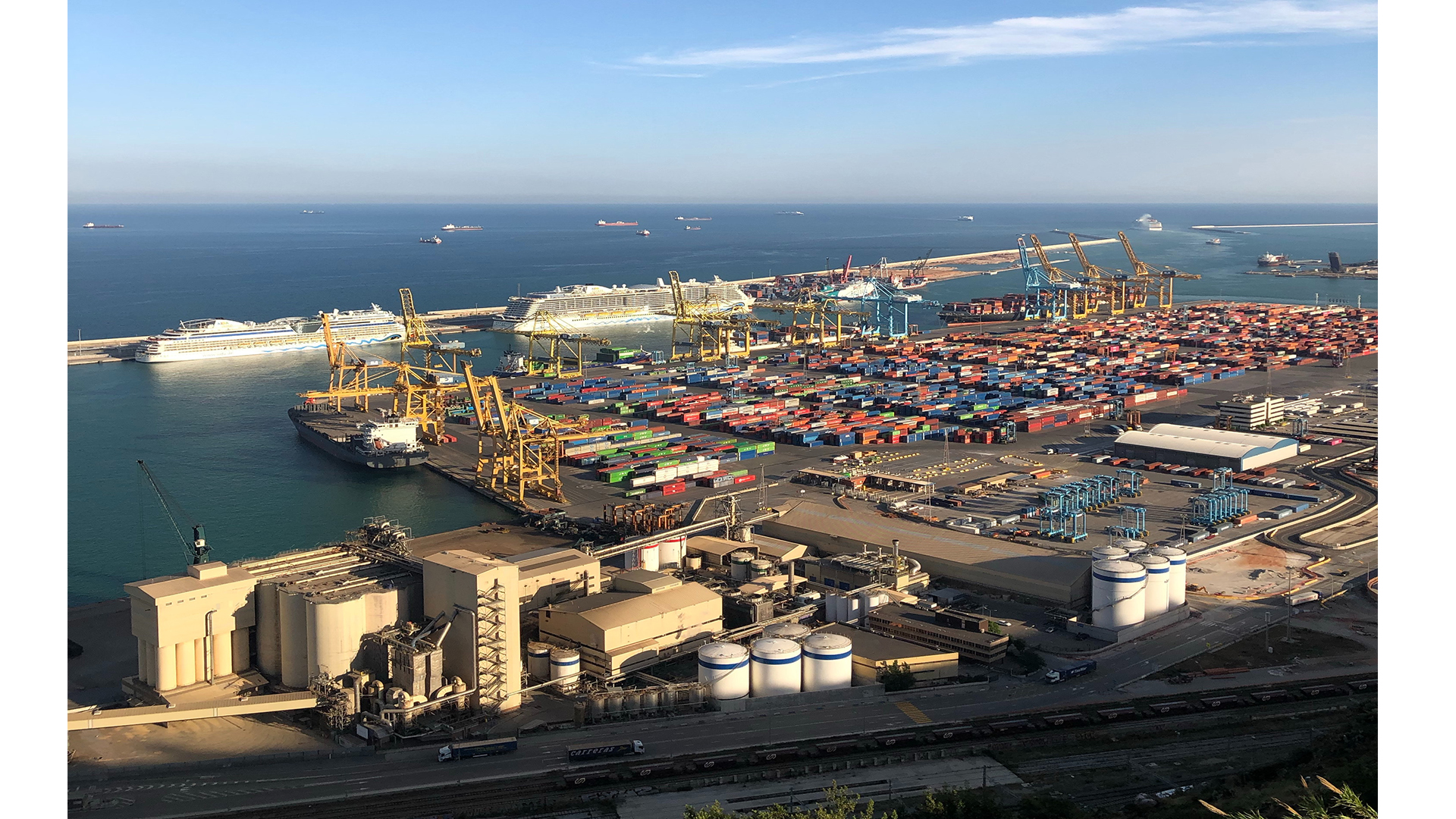

The Definitive Port and Shipping Management
 Download Brochure
Course overview
Port and Shipping Management: What is it?
Cost management and control for transportation are greatly influenced by port management. Additionally, the total delivery time and its fluctuation from the source to the final destination are included. Add to this the throughput, dependability, and safety of the logistics provider for the goods.
This master’s program offers students a strong academic and commercial understanding of the requirements of the entire transport and supply chain by taking a comprehensive approach to shipping, ports, and freight logistics. The market’s needs decide how often this course is updated. Our teaching members have experience in the shipping, port, and global logistics sectors and offer a distinctive blend of academic and practical skills. They will examine current trends and advances, technology improvements, and industry practice in these industries using a business and research-informed perspective.
What happens during port operations?
The port operating process includes dealing with issues brought on by the expansion of world trade, such as geopolitical changes, new international regulations, and fierce rivalry. The core of this course is the growing need for environmental, social, and economic sustainability, as well as the challenges of adapting to climate change and the future of technology.
The information and skills needed to manage ports and shipping operations successfully will be provided through this Training Bee training course. In this dynamic and complicated environment, delegates will be able to adapt to the entire transport and supply chain needs.

Introduction
Ports, which serve as the backbone of international trade, are essential for easing the flow of products and tying together national economies. Optimizing operating efficiency, maintaining seamless logistics, and promoting economic growth all depend on effective port and shipping management. With the help of this Master class, you will obtain a thorough grasp of the fundamental concepts, tactics, and best practices that underpin the success of this sector as you dig deeply into the complexities of managing ports and shipping operations.
We are The Training Bee, a global training and education firm providing services in many countries. We are specialized in capacity building and talent development solutions for individuals and organizations, with our highly customized programs and training sessions.

Learning Objectives
Upon completing The Definitive Port and Shipping Management, participants will be able to:
- To facilitate project execution, give participants access to the most recent procurement operational guidelines and techniques.
- Make certified managers out of leaners so they can handle managerial and administrative duties in the shipping industry and similar industries
- An in-depth understanding of the global supply chain and transportation needs, as determined by market demands, from an academic and corporate perspective.
- A thorough knowledge of trends, the most recent events, technical breakthroughs, and business practices
- A thorough understanding of the obstacles to the expansion of global trade, including geopolitical developments, new international rules, and solutions to these problems

Our Unique Training Methodology
This interactive course comprises the following training methods:
- Role-playing – Participants will take part in several role-plays and understand practical ways of solving issues.
- Journaling – This consists of setting a timer and letting your thoughts flow, unedited and unscripted recording events, ideas, and thoughts over a while, related to the topic.
- Social learning – Information and expertise exchanged amongst peers via computer-based technologies and interactive conversations including Blogging, instant messaging, and forums for debate in groups.
- Mind mapping and brainstorming – A session will be carried out between participants to uncover unique ideas, thoughts, and opinions having a quality discussion.
- Interactive sessions – The course will use informative lectures to introduce key concepts and theories related to the topic.
- Presentations – Participants will be presented with multimedia tools such as videos and graphics to enhance learning. These will be delivered engagingly and interactively.

Training Medium
This The Definitive Port and Shipping Management training is designed in a way that it can be delivered face-to-face and virtually.

Course Duration
This training is versatile in its delivery. The training can be delivered as a full-fledged 40-hour training program or a 15- hours crash course covering 5 hours of content each day over 3 days

Pre-course Assessment
Before you enroll in this course all we wanted to know is your exact mindset and your way of thinking.
For that, we have designed this questionnaire attached below.
- The Master class in Port and Shipping Management has what goal(s)?
- Who is the Master class’s intended audience? Is it appropriate for experts currently employed in the field or also for newcomers?
- What qualifications are needed for this Master class? Exist any particular educational or professional prerequisites?
- What subjects will be discussed during the Master class? Can you provide me a syllabus or an outline?
- Who are the Master class instructors? What are their credentials and professional background?
- How long will the Master class last? Is it a single event, or will there be several sessions spaced out throughout time?

Course Modules
This The Definitive Port and Shipping Management cover the following topics for understanding the essentials of the Agile Workplace:
Module 1 – Introduction to Logistics and International Trade
- Transporting goods
- Historical ports and terminal construction
- History of trade development and current trade flows
- Introduction to supply chains and logistics
- Supply and demand, globalization, and marine transportation
Module 2 – The Functions of Ports and Terminals in World Logistics Operations
- Purview of stakeholders
- Ports’ dynamic and evolving role
- The development of ports in a world that is dynamic
- Operation of port logistical facilities
- Standpoint of a port authority and a terminal operator
Module 3 – Port Development and Planning
- A brief history of ports
- Models for port management
- Process for developing ports
- The view of a port from a ship
- Functions and the port’s position in authority
Module 4 – Management of Port and Terminal Operations
- Terminal ownership
- The port and the flow of cargo
- Organizations that ship internationally
- Processes and categories at ports and terminals
- Methods for resolving issues facing the sector
Module 5 – Administration, Law, and Insurance of Ports
- Models of port ownership
- Agreement for a concession
- Regulations for ports
- The port authority’s function
- Port ownership’s impact on terminals
Module 6 – Management of Marine Operations
- Investigation of the incident
- Methods for managing safety
- Using documentary methods
- Management and policy for navigating safely
- Maritime commercial custom, regulations, and restrictions
Module 7 – Services Administration
- Managing pilotage services
- Control of marine traffic services
- Maintaining the port’s accessibility
Module 8 – Analysis of marketing and management
- Advertising mix
- Marketing idea
- Analysis of the marketing environment
- The examination of the market environment
- Port business and marketing procedures
Post-course Assessment
Participants need to complete an assessment post-course completion so our mentors will get to know their understanding of the course. A mentor will also have interrogative conversations with participants and provide valuable feedback.
- How can I use the theories and techniques I acquired in the Master class to manage ports and ships in the real world?
- Are there any books, websites, or other reading materials you would suggest I use to go more into the Master class’s particular subjects?
- Are there any industry-related gatherings, conferences, or associations that I ought to be aware of in relation to port and shipping management?
- How can I keep up with the most recent changes and fashions in the port and shipping sectors?
- Exist any networking or mentoring possibilities in the port and shipping management community?
- Can you provide me any advice or help as I look into job options in the port and shipping sector?

Lessons Learned
Having a thorough awareness of the many facets involved in port operations, such as terminal management, cargo handling, logistics, and infrastructure development, you have gained a thorough understanding of their complexity.
You’ve studied about the legal frameworks and international agreements that control the shipping sector, as well as how to navigate international trade. You can successfully manage legal and regulatory challenges thanks to this information.
Effective port resource management: You have learned how to best allocate port resources, such berths, cranes, and storage spaces, to increase operational effectiveness and cut costs.
You have learned how to identify and reduce risks related to port operations, including those related to safety procedures, security measures, and emergency response plans.
“Develop Your Potential for Excellence in Port and Shipping Management!”