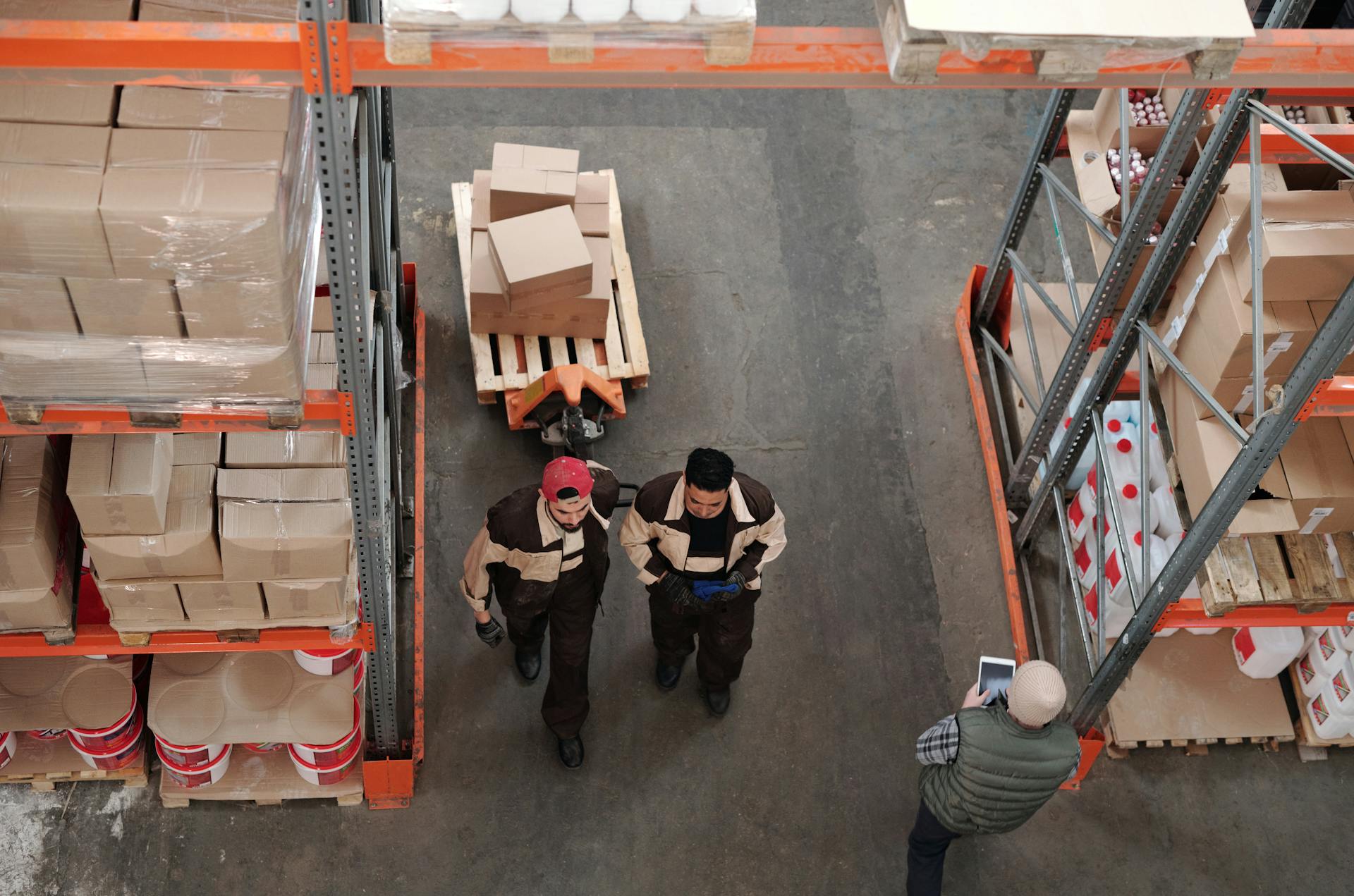

The Ultimate Logistics Safety Challenge
 Download Brochure
Course overview
All managers need to receive training on the best practices for logistics safety because transportation events can have catastrophic, far-reaching impacts. Unexpected training costs, increased insurance premiums, and legal fees are some of the repercussions of inadequate training on handling these occurrences.
Safety issues can provide a challenge to your organization due to their disturbance. Furthermore, these occurrences may have a significant negative personal cost in the form of fatalities. For this reason, it is essential that all logistics managers receive training on safe practices.
This course will cover a number of topics, including how to monitor and assess driver behavior, the significance of putting in place a strict safety plan, how to adopt appropriate testing standards, and how to carry out the necessary changes to your staff.
Would you like to have more authority over safety procedures in your company? Does your department now not follow all safety regulations and criteria for training?
With the confidence gained from this Training Bee Training Course, you will be able to oversee the safe and efficient management of your logistics department and be equipped to address issues early on and within an appropriate period.

Introduction
This is the “Logistics Safety Course”; welcome! In the ever-changing and hectic realm of supply chain management and logistics, it is crucial to guarantee the security of individuals, resources, and products. This course has been created with the intention of providing you with the information and abilities required to promote a safe work environment in the logistics sector.
Success in this course requires critical thinking, active involvement, and a dedication to applying safety concepts. To enhance your comprehension and use of logistics safety principles, we want you to exchange your insights, pose inquiries, and actively participate in the content.
We are The Training Bee, a global training and education firm providing services in many countries. We are specialized in capacity building and talent development solutions for individuals and organizations, with our highly customized programs and training sessions.
We look forward to equipping you with the information and abilities required to promote safety within the logistics sector as we begin this educational adventure together.
Together, let’s start investigating logistics safety and build a more secure and safe future for logistics professionals everywhere!

Learning Objectives
Upon completing Logistics Safety Course, participants will be able to:
- Make your own logistics safety strategy and put it into action. This will act as a guide for the entire logistics department.
- Collaborate with your drivers to support them in following the strategy and preventing accidents as much as feasible.
- Coordinate with the relevant departments to look into and document issues when they happen.
- Create a training program, conduct routine inspections, and instruct your drivers and logistical personnel on the necessary reporting.
- Develop a strong sense of general safety consciousness among the members of your team.

Our Unique Training Methodology
This interactive course comprises the following training methods:
- Journaling – This consists of setting a timer and letting your thoughts flow, unedited and unscripted recording events, ideas, and thoughts over a while, related to the topic.
- Social learning – Information and expertise exchanged amongst peers via computer-based technologies and interactive conversations including Blogging, instant messaging, and forums for debate in groups.
- Project-based learning
- Mind mapping and brainstorming – A session will be carried out between participants to uncover unique ideas, thoughts, and opinions having a quality discussion.
- Interactive sessions – The course will use informative lectures to introduce key concepts and theories related to the topic.
- Presentations – Participants will be presented with multimedia tools such as videos and graphics to enhance learning. These will be delivered engagingly and interactively.

Training Medium
This Logistics Safety Course training is designed in a way that it can be delivered face-to-face and virtually.

Course Duration
This training is versatile in its delivery. The training can be delivered as a full-fledged 40-hour training program or a 15- hours crash course covering 5 hours of content each day over 3 days

Pre-course Assessment
Before you enroll in this course all we wanted to know is your exact mindset and your way of thinking.
For that, we have designed this questionnaire attached below.
- To what extent are you aware of the safety guidelines and requirements that apply to the supply chain and logistics sector in your area?
- Explain the significance of personal protection equipment (PPE) wear in a logistics context.
- Describe the steps involved in identifying hazards in a logistics setting.
- Describe the actions you would take in your logistics facility in case of an emergency.
- Talk about safe material handling procedures in a logistics or warehouse environment.
- In a logistics operation, how can the safety of vehicles be guaranteed, particularly when trucks, forklifts, and other mobile equipment are involved?

Course Modules
This Logistics Safety Course covers the following topics for understanding the essentials of the Agile Workplace:
Module 1 – Introduction to Logistics Safety
- Why is this specific area’s safety so crucial?
- Examining the broader effects of mishaps
- Who is in charge of ensuring safety?
- How to make sure that everyone in your company understands the importance of safety
- Talk about international laws and the repercussions of breaking standards
Module 2 – Cost and Risk Evaluation
- Accident cost analysis and risk assessment
- Case studies examining possible ramifications
- Examining the effects of insurance and estimating the true cost of accidents
- Examining the needs for drivers and their roles and duties when it comes to risk management
- Making an effective risk management matrix
Module 3 – Formulating your Safety Plan for Logistics
- Assistance in creating a comprehensive and effective plan to guarantee driver safety
- Talk about the implications of limiting drivers’ working hours
- Geographical and international enforcement-based legal and regulatory compliance
- A thorough examination of the regulations pertaining to driver selection, allowed use, and vehicle inspections
Module 4 – Driver Education
- Getting ready to provide your driver’s training programs
- Following international and legal requirements for driver education
- An in-depth examination of the legal prerequisites for driver education programs
- Adhering to industry standards while putting together the training curriculum
- Conducting an informative and effective orientation session for drivers
Module 5 – Keeping an eye on drivers’ actions
- Being aware of possible problems with implementing training standards
- How to properly observe the actions of drivers
- How to examine and assess possible results from driver behavior monitoring data
- A thorough examination of the best ways to reward, penalize, and encourage drivers who follow safety regulations and change their current behavior
Module 6 – Choosing your cars and keeping up your fleet
- Defining the main areas of accountability for fleet management and logistics safety
- Putting together a thorough evaluation of the company’s obligations for all facets of vehicle maintenance and driver safety
- How to follow safety regulations and carry out routine inspections
- Getting ready for problems with car recovery
- Insights into the newest fleet monitoring technologies available
Module 7 – Investigating and Reporting Incidents
- Recognizing your legal obligations when it comes to reporting and looking into safety incidents
- How to guarantee that each jurisdiction complies with laws and regulations
- Methods for analyzing what went wrong, such as remote analysis conducted at the accident spot
- How to communicate these criteria to the team members who are required to do so
Module 8 – Enhancing Your Company
- Examining methods to consistently enhance safety within your company
- Recognizing the primary tasks and duties going forward
- Making the most of technology to keep an eye on
- How to make sure your safety strategy is successfully implemented and followed
- Next actions to guarantee a fleet and labor that are safe
Post-course Assessment
Participants need to complete an assessment post-course completion so our mentors will get to know their understanding of the course. A mentor will also have interrogative conversations with participants and provide valuable feedback.
- Provide an overview of the main safety laws and guidelines that were covered throughout the training.
- Think about a scenario when the effective application of PPE was essential to preventing injury.
- Give an example of a situation in which you recognized a possible risk at work and took steps to reduce it.
- Tell about a time when you had to react to an emergency at your logistics center.
- Talk about the safe material handling techniques you incorporated into your everyday work.
- Give an example of how you made sure that the vehicles were safe, especially while using forklifts or other mobile equipment.

Lessons Learned
Put Safety First: Stress that a fundamental principle of logistics operations is safety, not just a top priority. It is imperative for participants to acknowledge that prioritizing safety is crucial for both the welfare of staff members and the organization’s overall prosperity.
Observing regulations is a non-negotiable: Stress how crucial it is to follow safety guidelines and requirements. It is imperative that participants comprehend that regulatory compliance is an essential component of good logistics management and cannot be compromised.
Identification and Mitigation of Hazards Proactively: Encourage a proactive approach to hazard identification and reduction. In order to create a safer work environment, participants should be prepared to recognize potential dangers ahead of time and take preventive action.
Lifesaving Emergency Preparedness: Emphasize how important being prepared for emergencies is. Participants should understand that having clear processes and training in place to prepare for emergencies can save lives and lessen the effect of unanticipated incidents.
Individual Accountability for Security: Develop a sense of accountability for your own safety. It is important for participants to understand that every person, from wearing personal protective equipment to adhering to safety procedures, plays a critical part in ensuring a safe workplace.
Material Handling Effectiveness via Security: Emphasize that efficiency and safety don’t have to be mutually exclusive. Participants should be aware that putting safe material handling procedures into place improves operational effectiveness while preserving worker safety.