The Ultimate Oil & Gas Marine Tank Terminal & Jetty Operations
 Download Brochure
Course overview
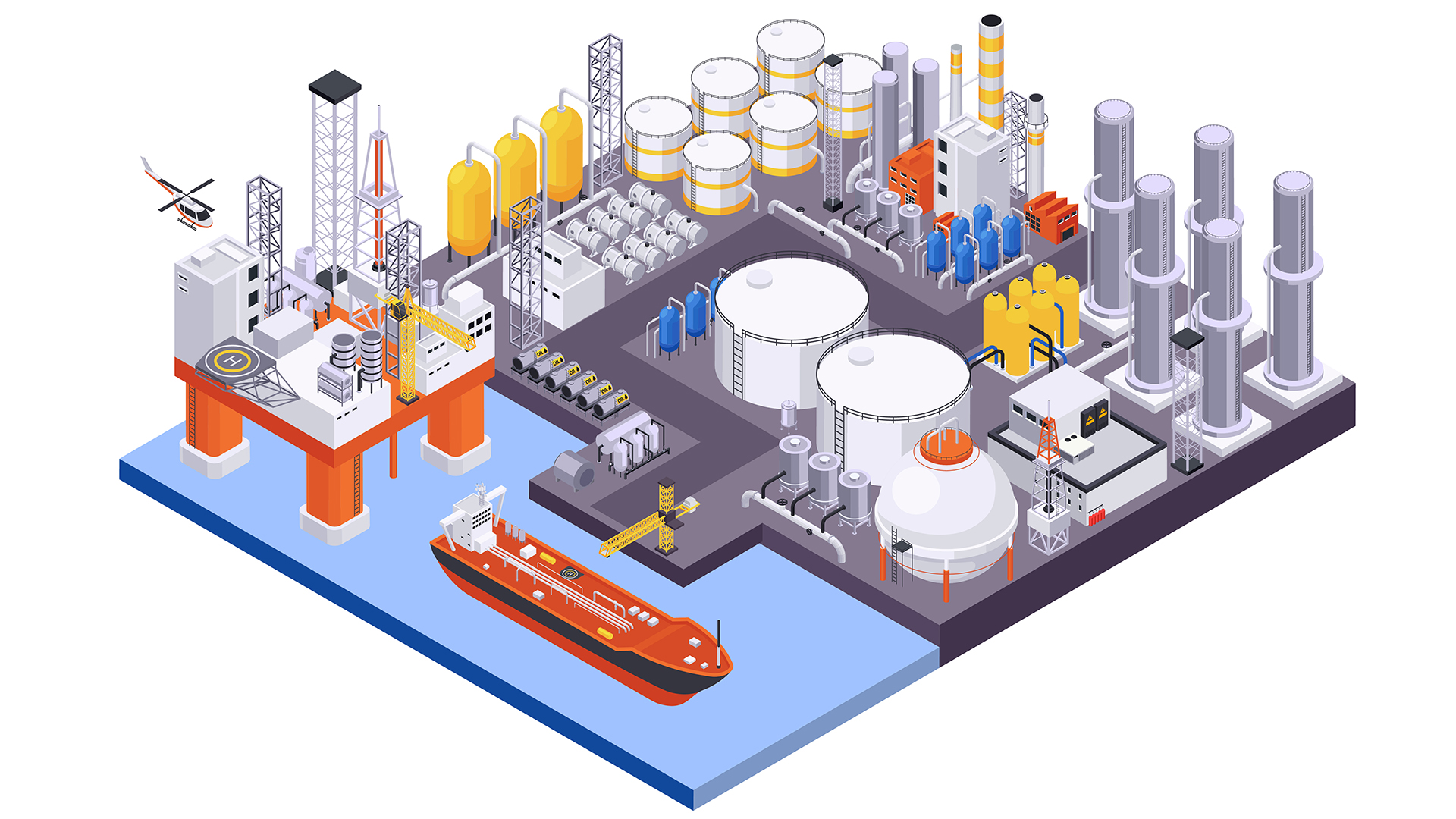
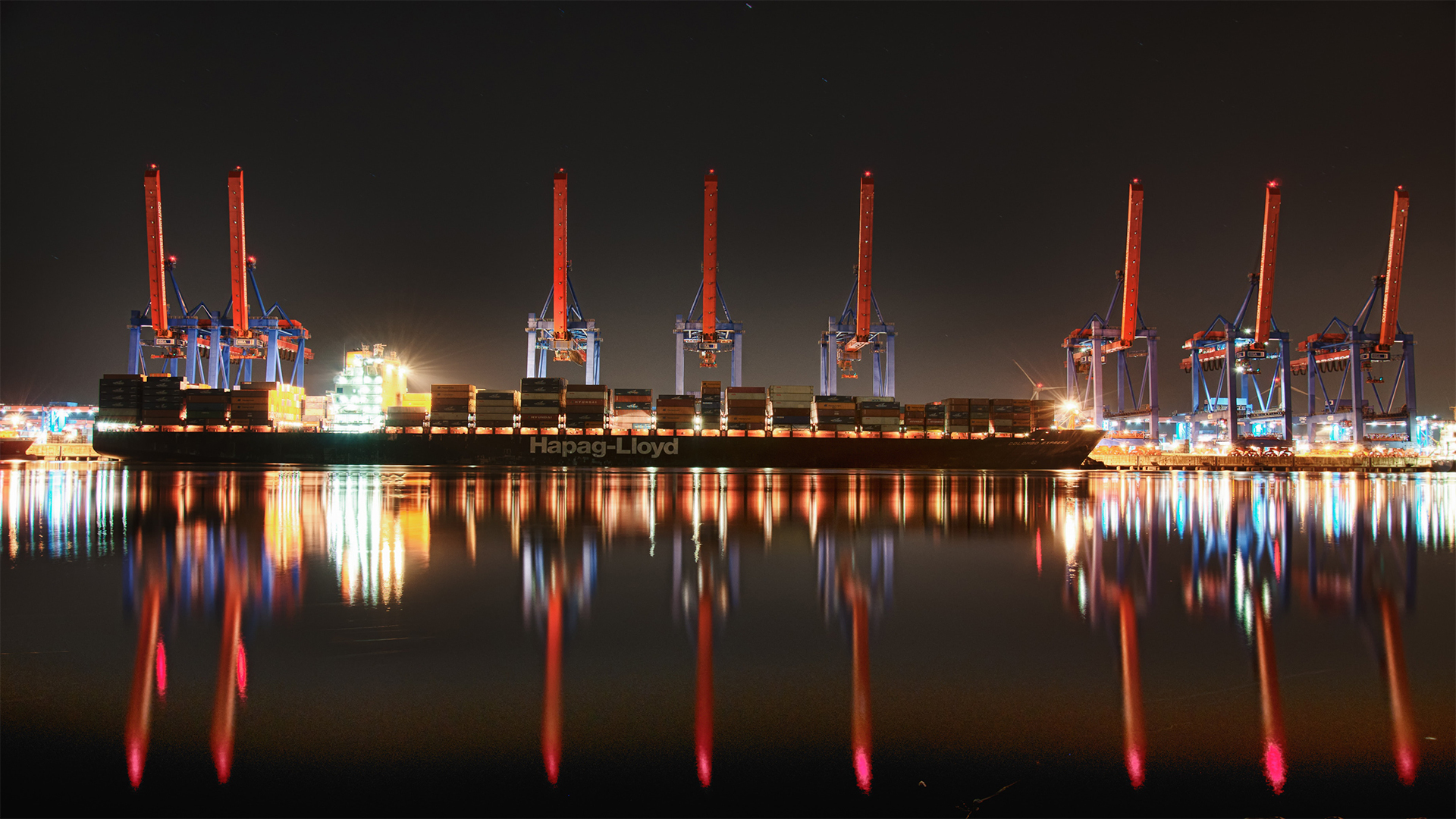
Jetties and marine terminals are always in use. These locations are used for vital yet dangerous operations and activities. The mechanical integrity of machinery and equipment, the safety of operational procedures covered by international regulations and standards, pollution prevention strategies, etc., are just a few examples of the aspects of health, safety, security, and the environment that professionals working at oil and gas marine terminals and jetties need to be up to date on.
To make operations at terminals and jetties faster and safer, they also need to be upgraded with new technology, techniques, and equipment developed throughout time. Therefore, ongoing training is essential.
The administration of terminals and jetty’s is crucial and dynamic; due to the quick development of technology and the growing need to reduce costs, operations and processes here are constantly changing. Instead of keeping workers on-call at these sites around-the-clock, management is contracting and outsourcing a large portion of the work to other organizations.
The major focuses of terminal management operations include management, operations, maintenance, administration, pollution avoidance, contingency planning, and safety during emergencies, writing procedures, and regulatory compliance.
The weather has a significant influence in planning and choosing type, mode, and time of operations given the extent of the activity and the surrounding environment.

Introduction
The expansion of trade and commerce, and subsequently the economic growth of the country, depends on the terminals’ and jetties’ continued efficient but secure operations. In order to promote efficient and secure operations at marine terminals and jetties, the government, people, and port and marine officials make sure that this is everyone’s top priority.
You will be equipped with in-depth understanding of how oil and gas marine terminals and jetties operate after taking this Training Bee training course. Additionally, it will make it easier for you to comprehend the significance of security and reliable operations at these places.
Additionally, this course will arm you with the knowledge and skills needed to advance in your career and take on more challenging tasks and responsibilities, such as overall management of operations at oil and gas marine terminals and jetties.
We are The Training Bee, a global training and education firm providing services in many countries. We are specialized in capacity building and talent development solutions for individuals and organizations, with our highly customized programs and training sessions.
This course is a comprehensive training program that covers all essential facets of managing a terminal or jetty, including administration, management, planning, compliance, operations, health and safety, pollution, etc. It gives you a comprehensive understanding of every facet to enable you to successfully handle any duties that may be delegated to you at these locations.

Learning Objectives
Upon completing The Ultimate Oil & Gas Marine Tank Terminal & Jetty Operations, participants will be able to:
- Complete understanding of how oil and gas marine terminals and jetties operate
- Detailed knowledge and exposure to all important facets of managing a terminal and jetty, which would be helpful for taking on managerial or supervisory roles at these locations
- Exposure to and expertise in managing all aspects of terminal and jetties operations, hence expanding prospects for lateral and vertical career advancement.
- The skill, assurance, and presence of mind necessary to effectively manage risks and accidents and to reduce, if not completely avoid, negative effects on the environment or the health and safety of the professionals working here.

Our Unique Training Methodology
This interactive course comprises the following training methods:
- Role-playing – Participants will take part in several roleplays and understand practical ways of solving issues.
- Journaling – This consists of setting a timer and letting your thoughts flow, unedited and unscripted recording events, ideas, and thoughts over a while, related to the topic.
- Social learning – Information and expertise exchanged amongst peers via computer-based technologies and interactive conversations including Blogging, instant messaging, and forums for debate in groups.
- Mind mapping and brainstorming – A session will be carried out between participants to uncover unique ideas, thoughts, and opinions having a quality discussion.
- Interactive sessions – The course will use informative lectures to introduce key concepts and theories related to the topic.
- Presentations – Participants will be presented with multimedia tools such as videos and graphics to enhance learning. These will be delivered engagingly and interactively.

Training Medium
This The Ultimate Oil & Gas Marine Tank Terminal & Jetty Operations training is designed in a way that it can be delivered face-to-face and virtually.

Course Duration
This training is versatile in its delivery. The training can be delivered as a full-fledged 40-hour training program or a 15- hours crash course covering 5 hours of content each day over 3 days

Pre-course Assessment
Before you enroll in this course all we wanted to know is your exact mindset and your way of thinking.
For that, we have designed this questionnaire attached below.
- What safety guidelines should be followed when engaging in marine tank terminal and jetty operations?
- What basic principles should be employed when planning marine tank terminal and jetty operations?
- What are the common hazards associated with marine tank terminal and jetty operations?
- What types of tankers and vessels are typically used for marine tank terminals and jetty operations?
- How does the physical infrastructure of a marine tank terminal and jetty affect how operations are conducted?
- What best practices should be followed during loading and unloading cargo at a marine tank terminal and jetty?

Course Modules
This The Ultimate Oil & Gas Marine Tank Terminal & Jetty Operations covers the following topics for understanding the essentials of the Agile Workplace:
Module 1 – A description of the jetties and marine terminals for oil and gas
- Description
- Personnel types involved
- Other activities or operations
Module 2 – Wide-ranging Terminal Management Functions
- Pollution prevention and control
- Emergency action
- Regulation observance
- Procedural language
Module 3 – Operating Limits in Terminals and Jetties: Effects of Weather
- Wind direction and speed
- Wave length and duration
- Current direction and speed
- Conditional swell
- Lightning storms
Module 4 – Environmental Events’ Influence on Operational Functions
- During arrival, maneuvering, and berthing
- Stopping the loading or discharge process
- Disconnecting the hard arms or cargo hoses
- Calling for pull help
- Tankers being removed from the berth
Module 5 – Safety Guidelines for Oil and Gas Marine Terminals and Jetty
- Leadership commitment and awareness
- Clear roles, obligations, and ownership
- Regulation observance
- Regular interaction
Module 6 – Important Safety Management Elements
- Danger reduction
- Hazard replacement
- Technical controls
- Administration of sanctions
- Personal defense tools
Module 7 – Factors Affecting a Marine Terminal’s or Jetty’s Safety
- Risk possibility
- Close proximity to a delicate environment
- Age of installation and equipment ageing
- Record of past accidents and incidents
Module 8 – Defining Safe Tanker/Shore Gangways’ Features
- A clear path
- Both sides have a continuous railing.
- Electrical shielding
- Safe operating angle and adequate illumination
Post-course Assessment
Participants need to complete an assessment post-course completion so our mentors will get to know their understanding of the course. A mentor will also have interrogative conversations with participants and provide valuable feedback.
- What operational processes and procedures should be followed to ensure efficient loading and unloading of vessels in a tank terminal?
- How can we minimize tank spills when transferring oil from a vessel to tank terminal tanks?
- What should an operations team be aware of when dealing with a defunct jetty?
- What measures should we take to ensure safe tank entry and exit while servicing tanks at a marine tank system?
- What specific environmental regulations should be considered when operating a tank terminal and a jetty?
- What specific safety guidelines should be practiced when carrying out Tanker Reception Studies?

Lessons Learned
A lesson learned from Oil and Gas Marine Tank Terminal & Jetty Operations is the importance of having effective communication and coordination among the different teams and departments involved in the operation of marine tank terminals and jetties. By establishing stringent guidelines and protocols, it is important to ensure that each team is aware of the part they play in maintaining safe and efficient operations. It is also essential to ensure that operations staff is adequately trained in safety protocols and that everyone is aware of the potential consequences of any failure of the procedure. Finally, clear and frequent communication is key to preventing potential accidents or emergencies.
“Superior Marine Tank Terminal and Jetty Operations for Oil and Gas Redefining Possibilities”